
Federico García Lorca has been on my poetry shelf since the beginning. There’s something about the way he writes toward death, and toward love, without flinching from either, that keeps pulling me back. This page collects the poems people search for most, in translation, with enough context to actually understand what you’re reading.
Who Was Federico García Lorca?
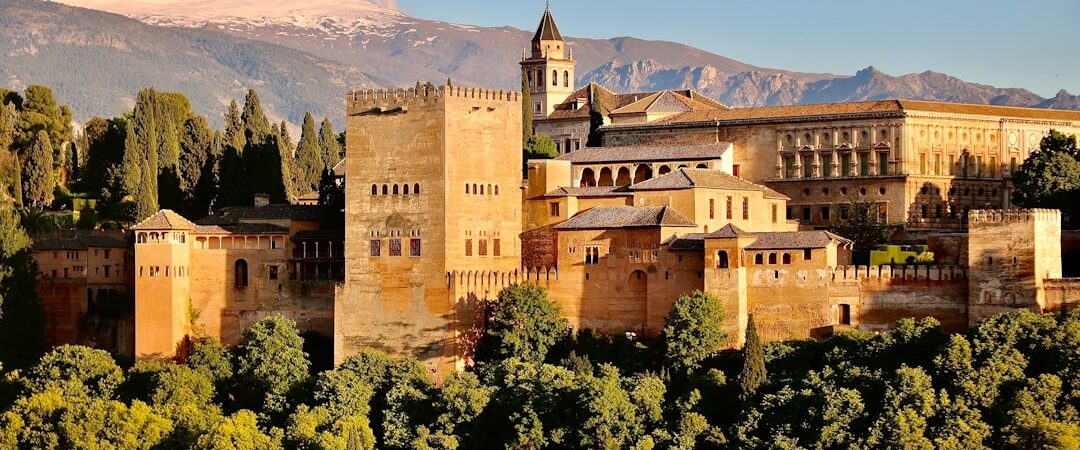
Lorca was born in 1898 near Granada, in the Andalusia region of southern Spain, and became the most widely read Spanish-language poet of the twentieth century. He wrote across forms — poetry, plays, essays — but it’s his poetry, steeped in Andalusian folk tradition and shot through with images of blood, moonlight and death, that travels furthest.
He was executed by Nationalist forces in August 1936, weeks into the Spanish Civil War, for reasons that were as much political as personal. His body has never been found. He was thirty-eight.
Poet in New York: The Other Lorca
In 1929, Lorca left Spain for Columbia University in New York, ostensibly to improve his English. He barely did. What he found instead was Harlem, Wall Street days after the crash, and a strain of alienation his Andalusian imagery hadn’t prepared him for. The poems he wrote there, collected as Poeta en Nueva York and published only after his death, trade the moonlit gardens of Granada for subway platforms and slaughterhouses, leaning on jazz rhythm and surrealist juxtaposition instead of the folk forms he’d mastered at home.
It’s a harder book to love than the Andalusian poems, and fewer readers reach it first. But it’s the clearest evidence that Lorca wasn’t only a regional poet working one vein of Spanish folklore — he was restless, and New York knocked something loose that carries through the poems below, including the death-haunted register of “Gacela of the Dark Death.”
“Gacela of the Dark Death” — Sleep, Death, and the Sound of Oranges
This is one of Lorca’s most searched poems, and one of his strangest. It comes from Diwán del Tamarit, a late collection where Lorca borrowed Arabic and Persian verse forms, the gacela and the qasida, in tribute to Granada’s Moorish past.
The poem doesn’t fear death so much as ask for a specific kind of it: a deep, dreamless sleep, “the sleep of the apples,” far from cemeteries and the noise of the living. You can read Robert Bly’s translation in full at the Academy of American Poets, alongside the rest of his catalogue.
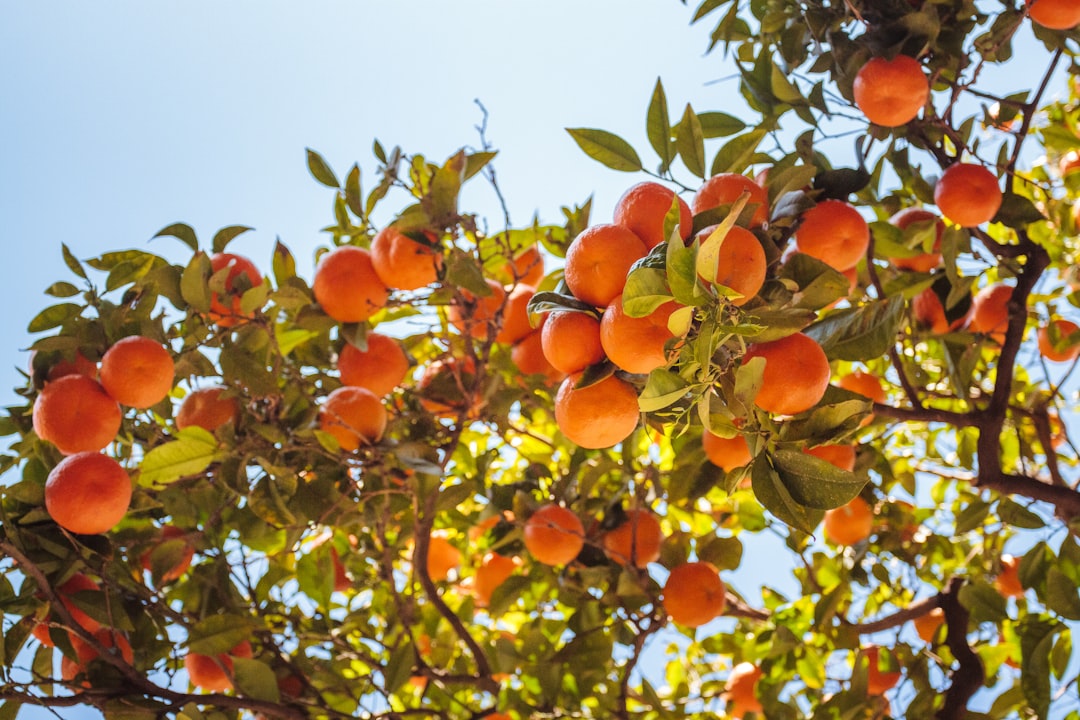
The poem leans on images Lorca returns to throughout his work: horses, wind, orange trees, the particular color of early dawn. In “Gacela of the Dark Death” they cluster around a single request, not an escape from death but permission to sleep undisturbed by it. “The sleep of the apples,” as Bly renders it, calls up an orchard hush that has nothing to do with the noise the speaker wants no part of.
“Lament for Ignacio Sánchez Mejías” — An Elegy for a Bullfighter
Written in 1935 after the death of his friend, the celebrated bullfighter Ignacio Sánchez Mejías, this is widely considered one of the great elegies in Spanish literature. Its opening section, “The Goring and the Death,” repeats a single refrain, “at five in the afternoon,” the exact hour of the fatal goring, until the phrase stops being a time and starts being a wound.
The poem runs four movements in total, moving from the raw shock of the death through memory, absence, and something close to acceptance. It’s long by Lorca’s standards, and worth reading in one sitting if you can.
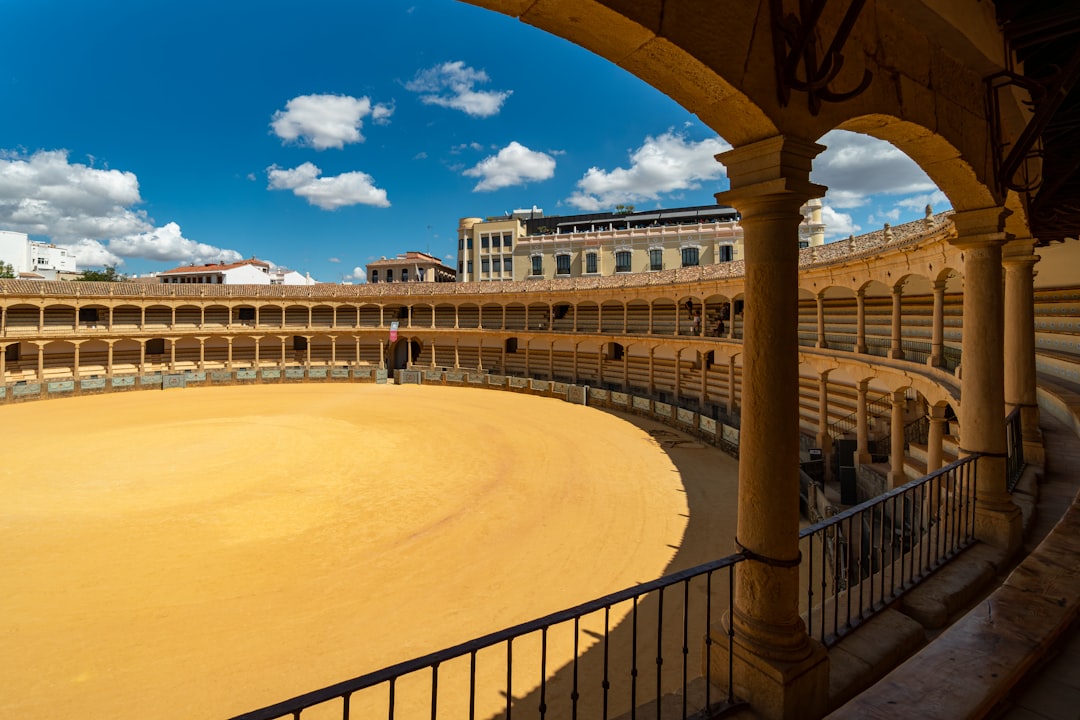
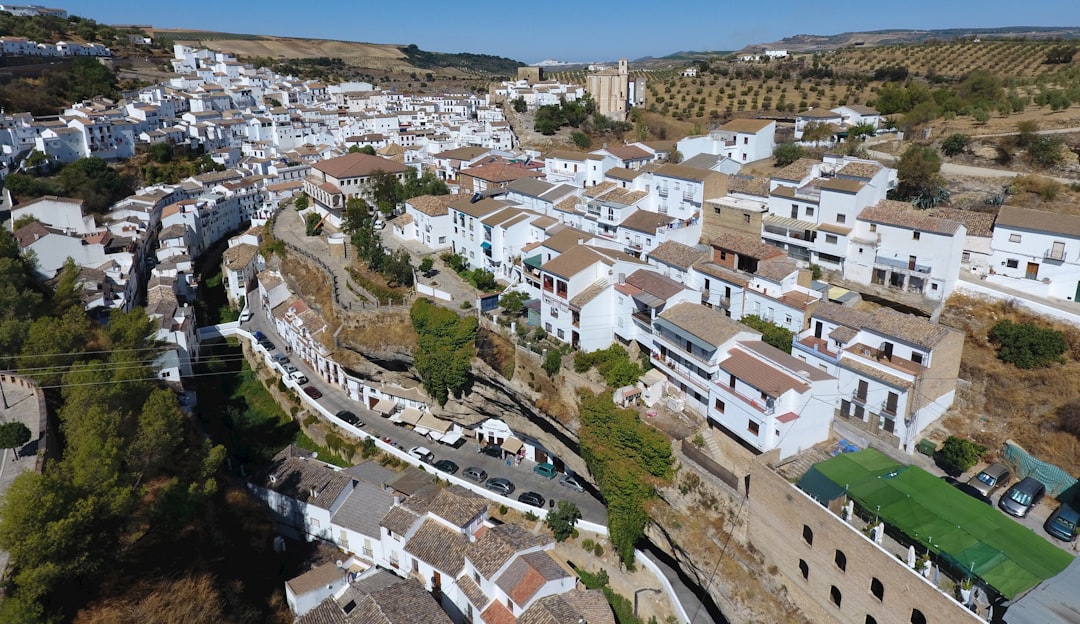
The ring at Ronda, still standing today, isn’t the one where Sánchez Mejías was fatally gored — that happened in Manzanares — but it belongs to the same world of formal, ritualized bullfighting he and Lorca both moved in, and that the poem refuses to let the reader forget even for a stanza.
Lorca’s Love Poems: The Sonnets of Dark Love
Lorca wasn’t only a poet of death. Sonetos del amor oscuro (“Sonnets of Dark Love”), written near the end of his life and published only after it, are some of the most direct love poems in the language — urgent, physical, and unusually candid for their time about a love Lorca could not speak of openly. They’re the poems to start with if “Gacela” and “Lament” give you the wrong first impression of him.

Read side by side, the death poems and the love poems aren’t really in tension. They’re two names for the same intensity Lorca brought to everything he wrote, the same refusal to look away from whatever he was looking at.
Why Lorca’s Poetry Still Resonates
Lorca writes about death the way I try to on the philosophy shelf: not as an abstraction, but as a physical fact with a specific hour attached to it. “At five in the afternoon” does more work than a hundred pages of argument. It’s the same instinct behind 2 Da Point, just carried by image instead of essay.
Lorca’s Legacy
Pablo Neruda, a friend and fellow poet, spent decades after 1936 keeping Lorca’s name and work in front of Latin American readers, and is a large part of why Lorca’s reputation crossed the Atlantic as fast as it did. Leonard Cohen has said reading Lorca as a teenager showed him what a poem could do with a voice of its own; he later named his daughter Lorca, and his song “Take This Waltz” is a direct musical adaptation of Lorca’s “Pequeño vals vienés,” recorded for a 1986 tribute album. Bob Dylan named Lorca among the poets who shaped his own writing in his 2016 Nobel lecture.
None of that requires having read a line of the Spanish first. It’s part of why Lorca keeps turning up in searches from people who found his name secondhand, through a song credit or a syllabus, and wanted to know who wrote it originally.
Read the Full Text
I’ve kept a collection of Lorca’s poems on this site for anyone who wants more than the two or three that circulate online. Download it below, or return to the full poetry collection for Rimbaud, Eliot and the Epic of Gilgamesh.
Frequently Asked Questions
Who was Federico García Lorca?
Lorca (1898–1936) was a Spanish poet and playwright from Granada, widely considered the most important Spanish-language poet of the twentieth century. He was executed during the early weeks of the Spanish Civil War.
What is “Gacela of the Dark Death” about?
It’s a request for a deep, peaceful sleep away from death and the noise of the living, written in a Persian-Arabic verse form Lorca borrowed to honor Granada’s Moorish history.
What is “Lament for Ignacio Sánchez Mejías” about?
It’s Lorca’s elegy for his friend, a bullfighter fatally gored in the ring. Its famous refrain, “at five in the afternoon,” marks the hour of his death and repeats throughout the poem’s first section.
Did Lorca write love poems?
Yes. His Sonetos del amor oscuro (“Sonnets of Dark Love”), published after his death, are direct and passionate love poems, unusually open for their time about a love he could not name publicly.
Are Lorca’s poems available in English?
Yes, in numerous translations. This page links to a widely used English translation of “Gacela of the Dark Death,” and the full collection kept on this site includes further poems in English.
For more on the person collecting these texts, read about me, or explore the rest of the poetry collection.