
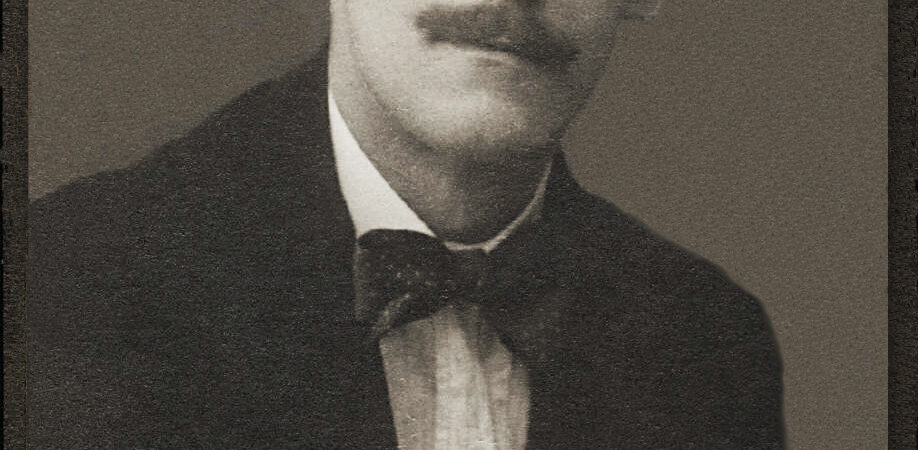
Ulysses covers one day — June 16, 1904 — in the lives of a handful of Dubliners, told in a style that changes chapter to chapter almost as if written by different authors. It has a reputation for being impossible, which keeps a lot of readers from ever opening it. It’s not impossible. It’s just long, specific about a city most readers have never walked through, and written to be read slowly. This page covers what it actually is, where it happens, and how a book now considered a masterpiece was once seized and burned as obscene.
What Is “Ulysses”?
Published in full in 1922, Ulysses follows Leopold Bloom, an advertising canvasser, and Stephen Dedalus, a young teacher and writer, through Dublin over a single day, with Bloom’s wife Molly closing the book with an unpunctuated, forty-plus-page interior monologue that’s become one of the most famous passages in the English language. The novel loosely maps onto Homer’s Odyssey — Bloom as a wandering, domesticated Ulysses, Stephen as a stand-in for Telemachus — though you don’t need to know the Odyssey at all to follow it. Each chapter experiments with a different style: newspaper headlines, a play script, a medical textbook’s prose, a question-and-answer catechism. The famous stream-of-consciousness technique is really just one of many tools Joyce uses, not the whole method. The novel runs eighteen episodes in total, each corresponding loosely to an episode of the Odyssey, though Joyce dropped the Homeric chapter titles from the published text and left readers to work out the parallels — or ignore them entirely — on their own.
Why June 16, 1904?
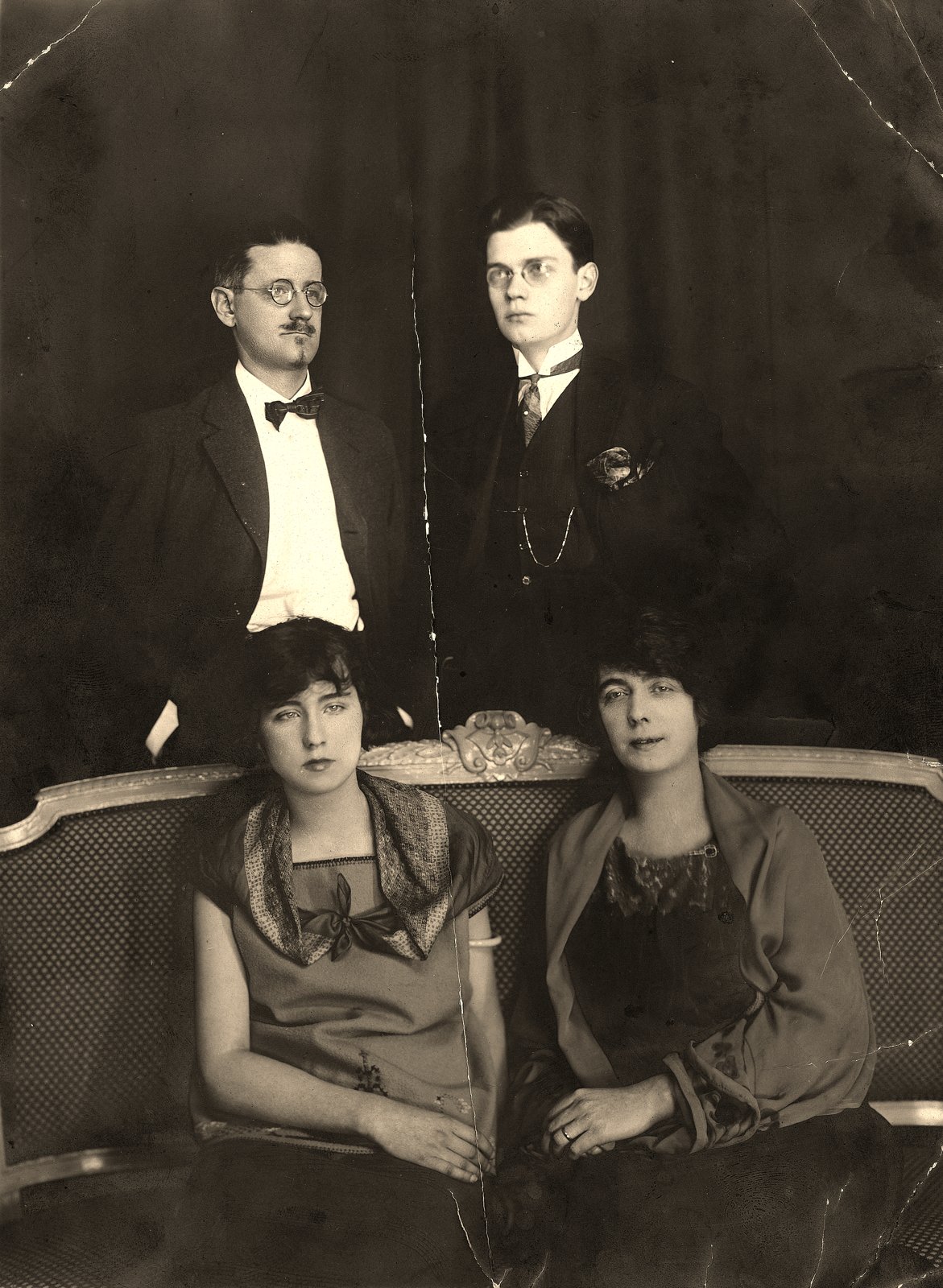
The date isn’t random. It’s the day of Joyce’s first outing with Nora Barnacle, the woman he’d spend the rest of his life with, whom he met outside the Finn’s Hotel where she worked. Joyce fixed the entire novel to that one afternoon and evening as a kind of private tribute, and the date has since become a real, worldwide event: Bloomsday, celebrated every June 16th with public readings, walking tours that retrace the novel’s route through Dublin, and readers dressed in Edwardian clothes reenacting scenes at the actual locations.
A Day in Dublin: Where the Novel Happens
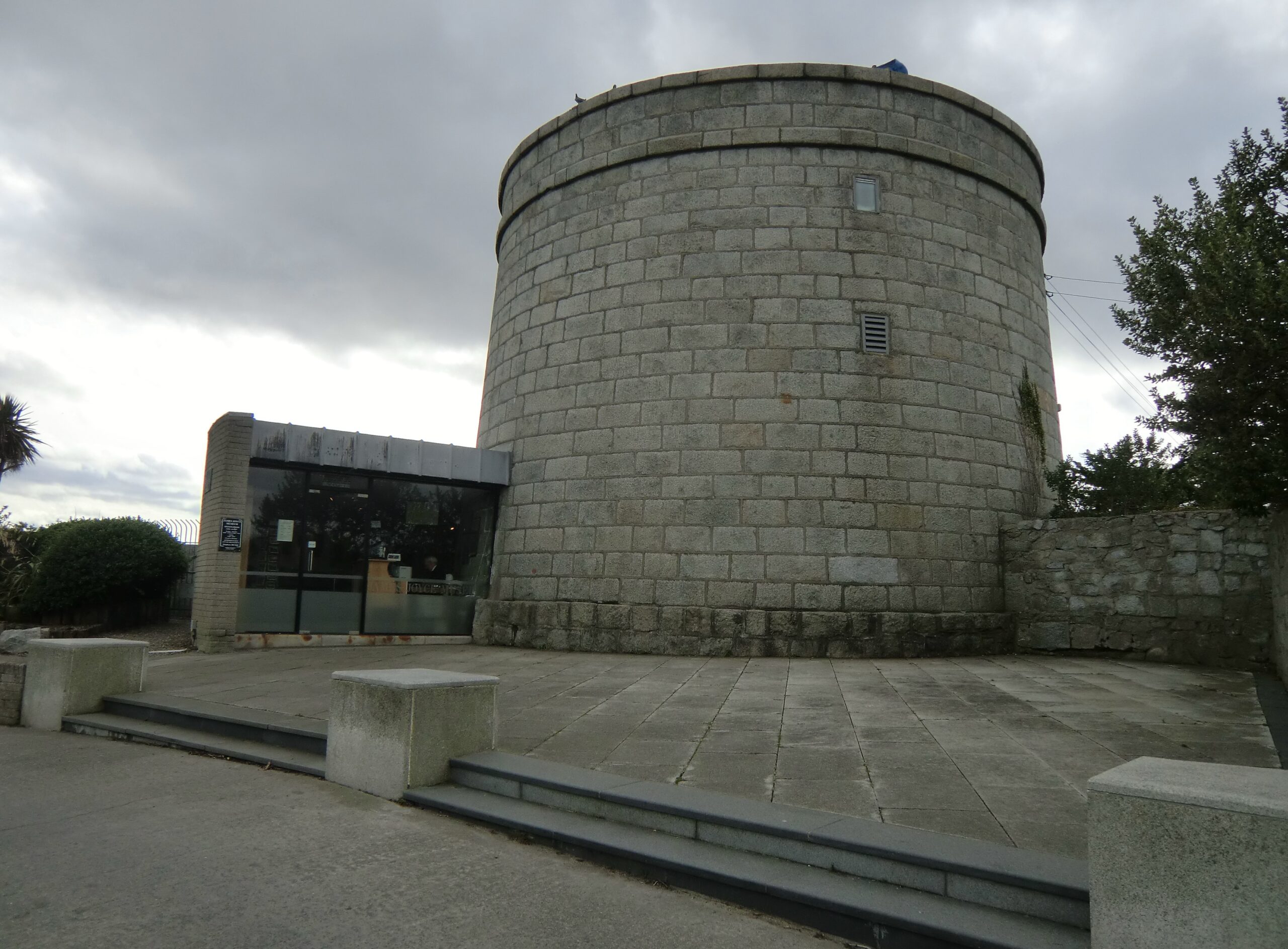
The novel opens at the Martello Tower in Sandycove, a squat stone defense tower on the coast south of Dublin where Joyce himself briefly lived with a friend in 1904, and where the book’s famous first line — “Stately, plump Buck Mulligan came from the stairhead” — is set. The tower still stands, now a small Joyce museum, and it’s the first stop on most Bloomsday walking tours.
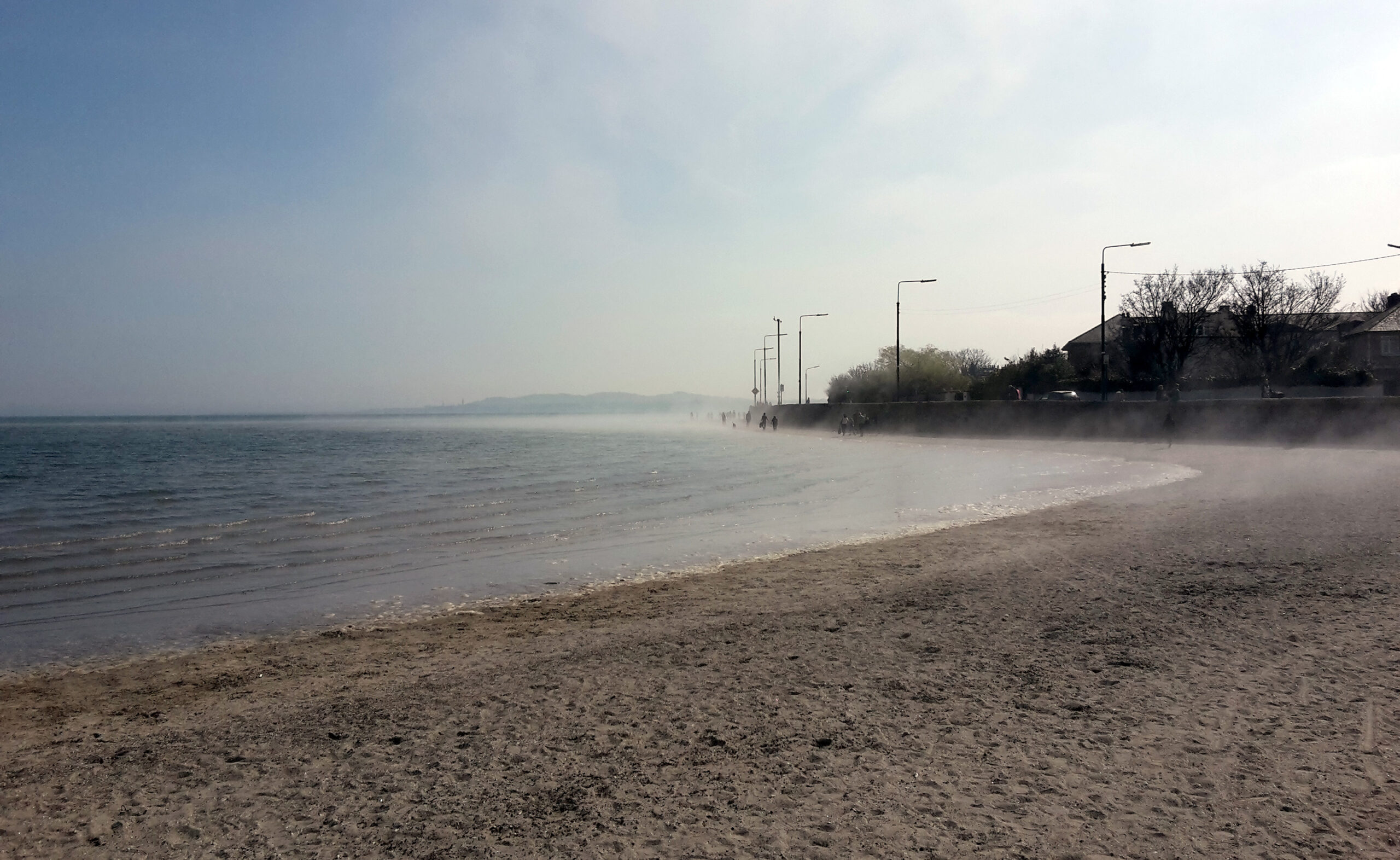
Later in the day, Sandymount Strand becomes the setting for two of the novel’s most-discussed episodes: Stephen’s solitary walk and interior monologue in “Proteus,” and Bloom’s encounter with a young woman on the beach in “Nausicaa.” Between the tower and the strand, the book moves through real streets, real pubs, and a real funeral route across the city — Joyce was famously so precise about Dublin’s geography that he once claimed the city could be rebuilt from the novel alone if it were destroyed.
The Book That Got Banned
Ulysses was serialized in the American magazine The Little Review starting in 1918, and prosecuted for obscenity in 1921 over a passage in the “Nausicaa” episode, effectively banning it in the United States. No mainstream publisher in England or America would touch it after that. It was Sylvia Beach, an American running the Paris bookshop Shakespeare and Company, who offered to publish the complete novel herself, and the first edition appeared on February 2, 1922 — Joyce’s fortieth birthday.
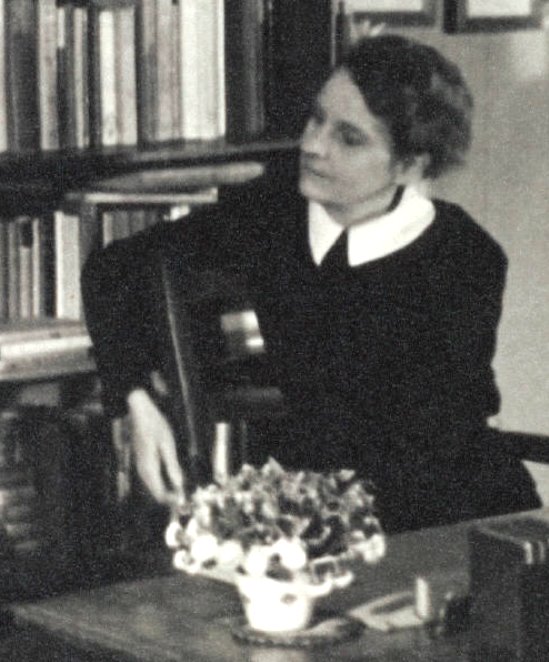
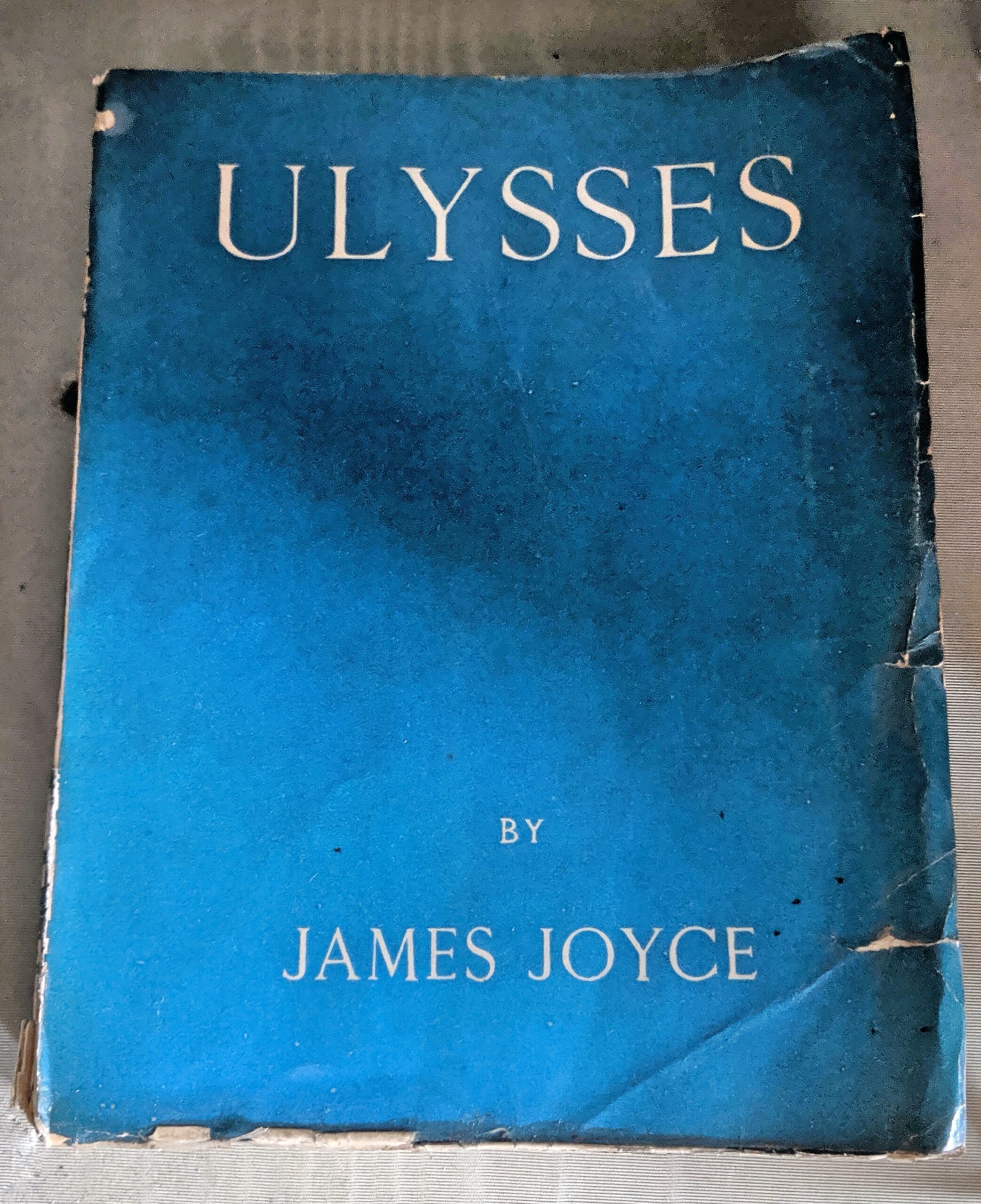
The novel remained legally unpublishable in the United States for over a decade, until a 1933 federal court ruling, United States v. One Book Called Ulysses, found it was not obscene and cleared the way for an authorized American edition the following year. The distinctive plain blue cover of that first 1922 Paris printing — a nod to the blue of the Greek flag, echoing the novel’s loose debt to Homer — has become one of the most recognizable book covers of the twentieth century. Only a thousand copies were printed in that first run, split between a small number of signed deluxe editions and the ordinary run sold through Beach’s shop, and the novel’s reputation as a dangerous, banned book only made demand for it grow faster than she could keep copies in stock.
Why It’s Worth Reading, Even the Hard Parts
Nobody needs to pretend Ulysses is an easy read. Some chapters are genuinely difficult on a first pass, and that’s fine — reading it as a sequence of very different short pieces, rather than one continuous novel, makes it far less intimidating. It sits well on the stories shelf here next to Camus’s The Stranger for exactly that reason: both are novels that reward patience over speed, and neither one is really about its plot. If you want the same close attention to a single day, a single place, and a single consciousness taken even further, it’s worth reading alongside the “Proteus” and “Penelope” chapters specifically, which push the technique furthest.
Molly Bloom’s closing monologue in “Penelope” is worth singling out on its own. It runs for roughly eight enormous sentences with almost no punctuation, following her thoughts as she lies in bed at the end of the day, and it ends the novel on “yes I said yes I will Yes” — one of the most quoted closing lines in twentieth-century fiction, and a strange, intimate landing point for a book that spends most of its length outside anyone’s head for very long.
Read the Full Text
Ulysses entered the public domain in the United States in 2021, and the cleanest free edition online is Project Gutenberg’s text, which is what I point readers to on the stories shelf. Return there for the rest of the collection, including a personal short story and a note on Camus.
Frequently Asked Questions
What is “Ulysses” about?
It follows Leopold Bloom, Stephen Dedalus, and Bloom’s wife Molly through a single day in Dublin, June 16, 1904, loosely structured around Homer’s Odyssey and told in a different literary style in nearly every chapter.
Why is June 16 called Bloomsday?
June 16, 1904 was the date of James Joyce’s first outing with Nora Barnacle, later his wife. He set the entire novel on that date, and it’s now celebrated worldwide every year with readings and walking tours through the novel’s Dublin locations.
Why was “Ulysses” banned?
It was prosecuted for obscenity in the United States in 1921 over a passage in the “Nausicaa” episode, making it effectively unpublishable there until a 1933 federal court ruling found it was not obscene.
Who first published “Ulysses”?
Sylvia Beach, an American who ran the Paris bookshop Shakespeare and Company, published the complete novel in February 1922 after no mainstream publisher would take it on.
Where can I read “Ulysses” for free?
The novel is in the public domain in the United States. Project Gutenberg hosts a free, complete text of the 1922 edition.
For more on the person keeping this shelf, read about me, or explore the rest of the stories collection.