
The Poverty of Philosophy is Marx’s angriest book, and one of his most readable. It’s a full-length demolition of a single rival economist, written twenty years before Capital, when Marx was twenty-eight and living in exile with something to prove. This page covers who he was aiming at, what the book actually argues, and where it fits before you dive into the full text.
Who Marx Was in 1847
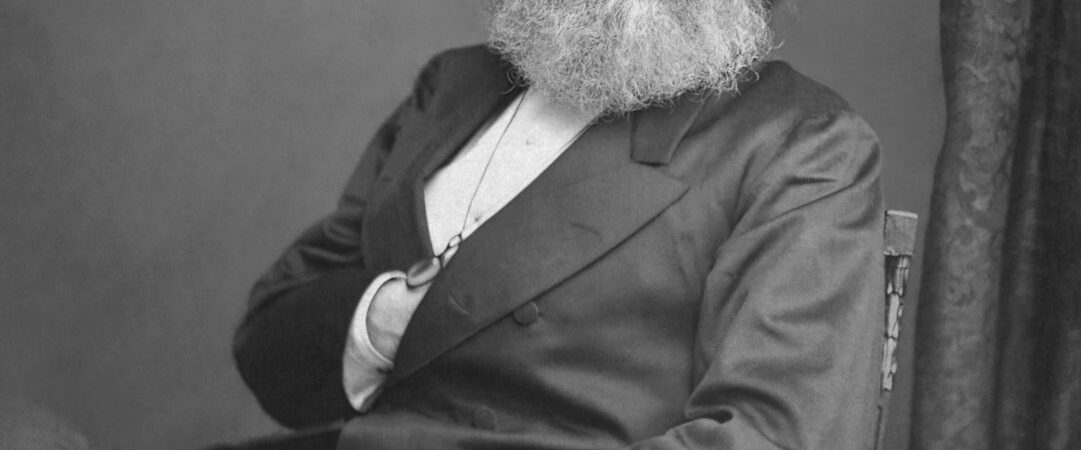
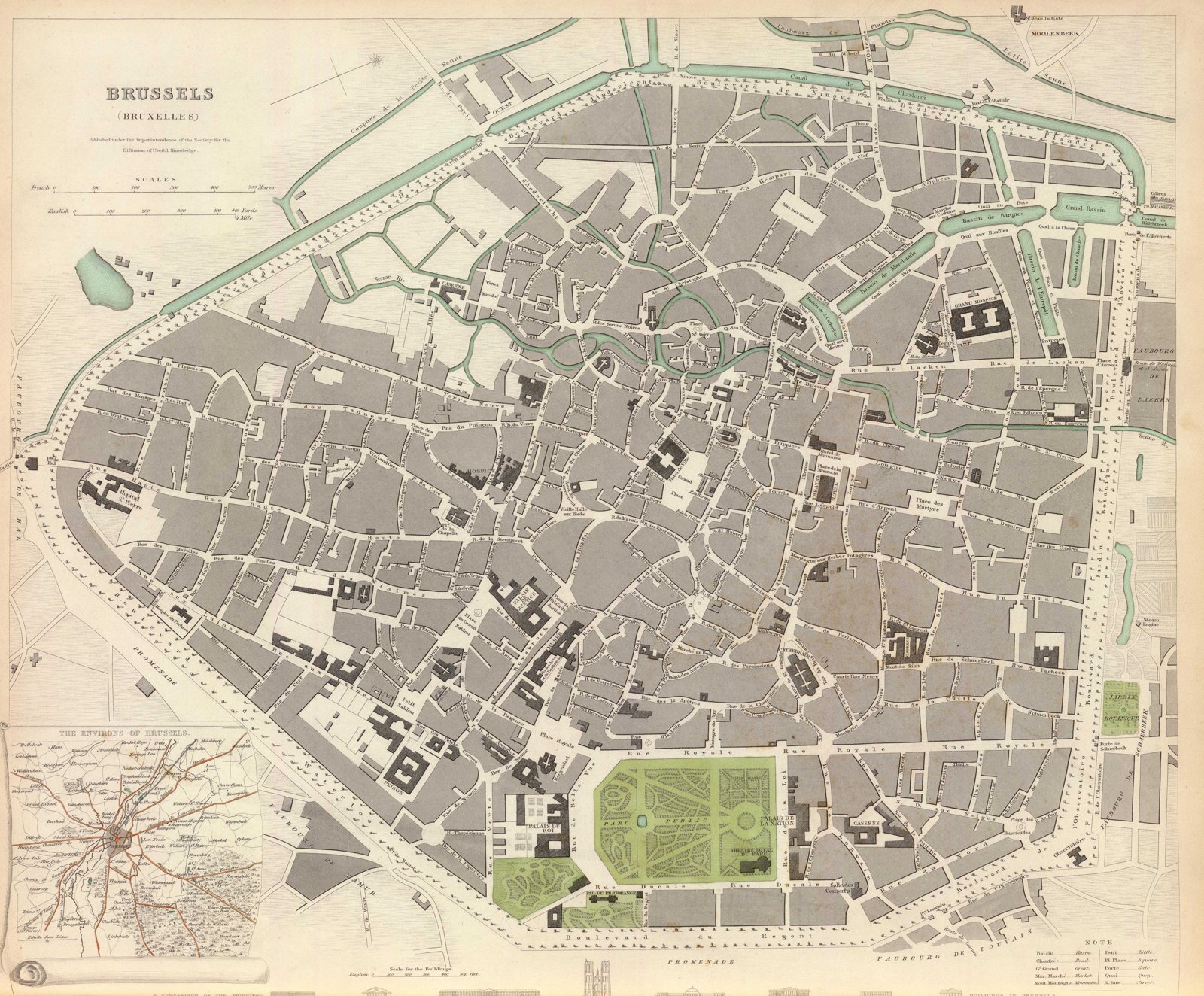
Forget the bearded elder statesman of the famous late photographs for a moment. In 1847, Marx was not yet the author of anything most people have heard of. The Communist Manifesto was still a year away; Capital was two decades off. He had been expelled from Paris in early 1845 at the Prussian government’s request, for the crime of editing a radical newspaper, and had resettled in Brussels, where he was broke, largely unpublished, and known mostly within a small circle of exiled radicals and journalists.
The Poverty of Philosophy, written that year and published in Paris and Brussels in 1847, was one of the first places Marx worked out, in print, the ideas that would define the rest of his career — not as a system yet, but as a set of sharp objections to someone else’s system. It was also written on the edge of something much larger: 1848 would bring revolutions across Europe, and Marx and Engels would publish the Communist Manifesto that same year. Read now, the book has the feel of a writer sharpening his tools right before he needs them.
The Feud with Proudhon
Pierre-Joseph Proudhon was, by 1846, one of the most famous socialist writers in France — the man who had declared “property is theft” a few years earlier. He and Marx had spent time together in Paris in 1844, arguing through the night, and Marx respected him enough to be genuinely stung when Proudhon’s next major book disappointed him.
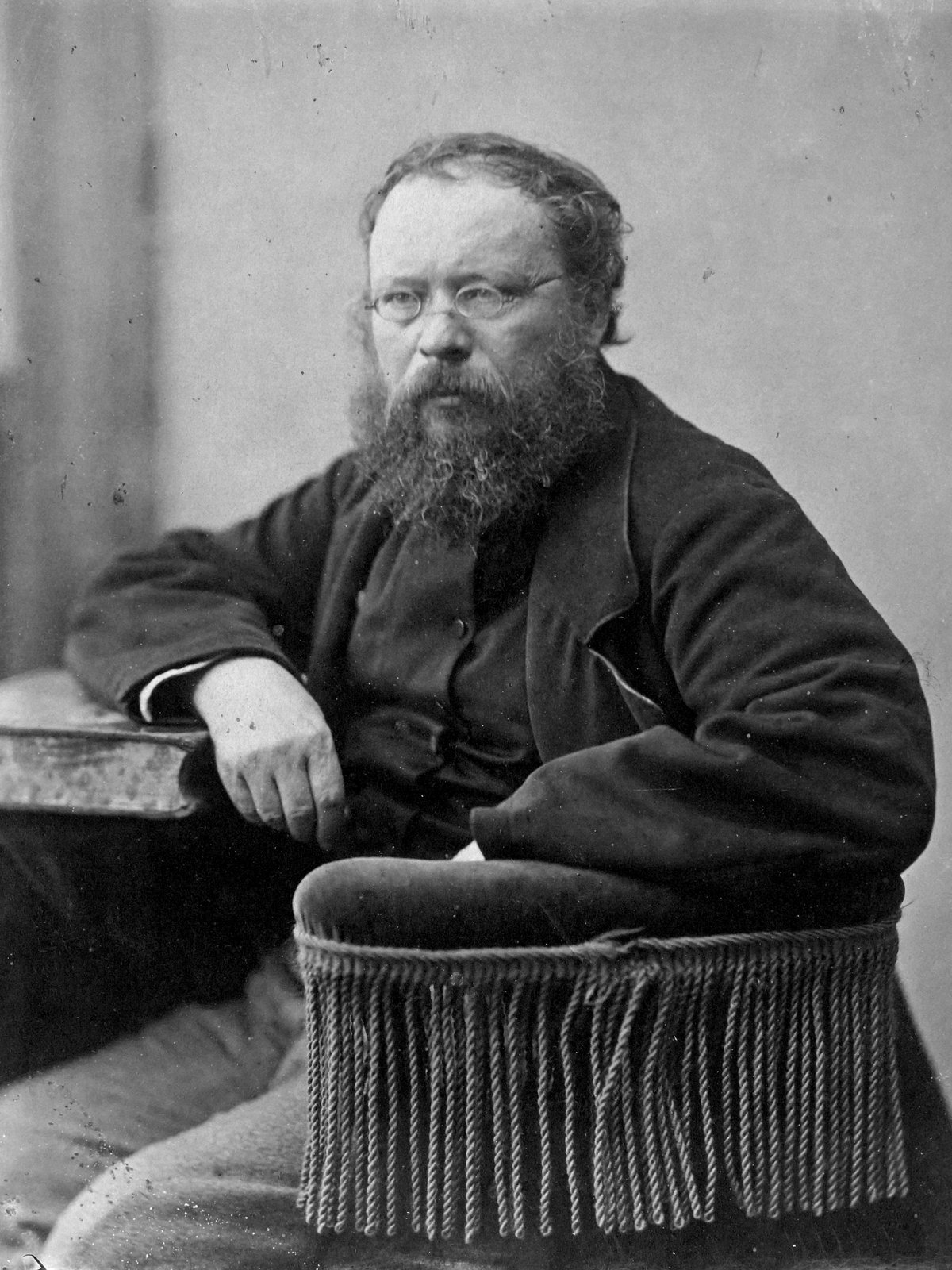
That book was Système des contradictions économiques, ou Philosophie de la misère — System of Economic Contradictions, or the Philosophy of Poverty — published in 1846. Proudhon tried to graft Hegelian dialectics onto economic theory, treating ideas like value and property as contradictions to be resolved in the abstract. Marx thought the result was borrowed philosophy dressed up to disguise weak economics, and titled his response by simply inverting Proudhon’s: not the Philosophy of Poverty, but the Poverty of Philosophy. The two men never reconciled.
What the Book Actually Argues
The book is split roughly in two. The first half is a close, technical takedown of Proudhon’s theory of value — his claim that a commodity’s worth is fixed purely by the labor time required to produce it, and that this alone could explain how rent, profit, and wages get divided among landowners, capitalists, and workers. Marx doesn’t reject labor-based value outright; he argues Proudhon applies it clumsily, as a moral formula rather than an analysis of how value actually behaves under real market conditions.
The second half is where the book gets more interesting to read today, because it’s where Marx first states, in print, an idea he’d spend the rest of his life developing: that economic categories aren’t timeless laws of nature, but historically specific arrangements that come and go with the systems that produce them. The line that gets quoted most is also the clearest summary of the point: “The hand-mill gives you society with the feudal lord; the steam-mill, society with the industrial capitalist.” Change the tools of production, Marx is arguing, and you don’t just change how goods get made — you change the entire shape of the society built on top of that production.
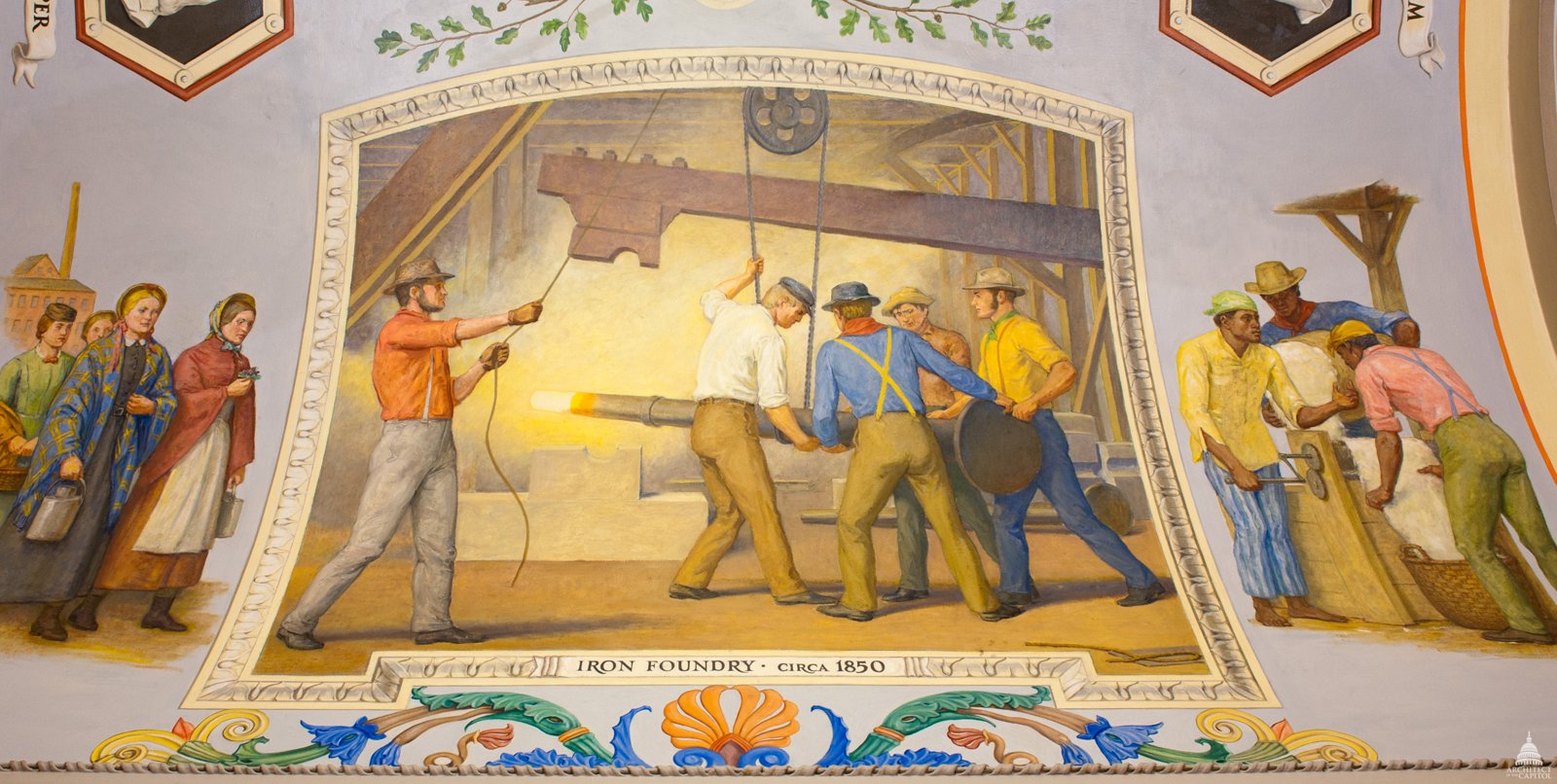
It’s a bigger, stranger claim than the book’s polemical tone lets on: that the steam-powered factories reshaping Europe in the 1840s weren’t just a new way of making things, but the seed of an entirely new kind of society, with its own class structure and its own logic, replacing the one before it as completely as the mill once replaced the hand. This is the germ of what later got the name historical materialism — the idea that a society’s laws, politics, and philosophy all grow out of how it actually produces and distributes goods, rather than the other way around. Marx spends the rest of the book arguing that Proudhon has this backwards: treating economic categories as if they were eternal ideas that societies discover, rather than arrangements that societies build and then outgrow.
Engels and the Book’s Afterlife
The Poverty of Philosophy was written in French, for a small French and Belgian readership, and it might have stayed a minor entry in Marx’s bibliography if his later work hadn’t made people go back and look for where his ideas started. Friedrich Engels, Marx’s closest collaborator, oversaw the German translation decades later, editing the text and supplying notes so a much wider readership could see the young Marx working out the argument that would eventually become Capital.
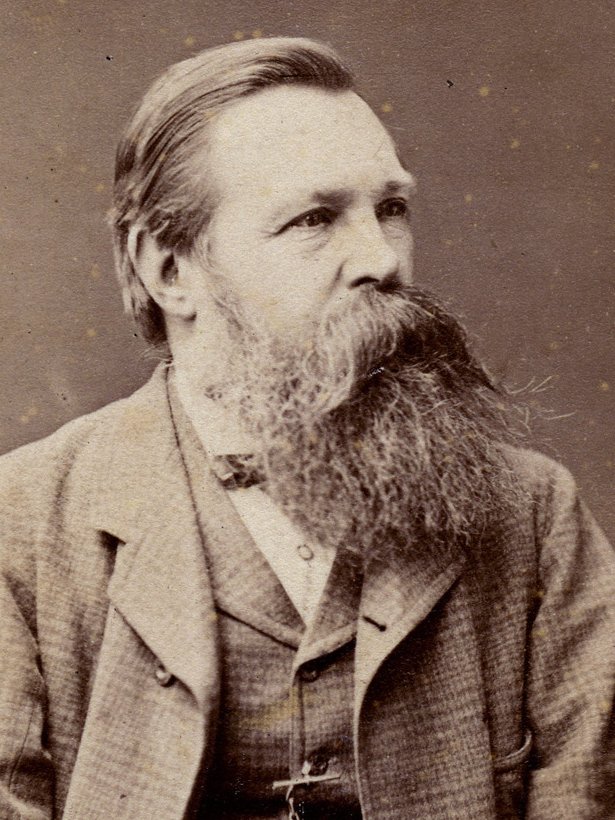
The edition kept on this site follows that later, annotated lineage — the same text Marx wrote in 1847, carried into wider circulation by the one person who spent his life making sure Marx’s early work didn’t stay buried.
Why It Still Matters
Read on its own, The Poverty of Philosophy is a case study in how an argument sharpens when it’s aimed at a specific target instead of the world in general — the same reason a good rebuttal is often more interesting than the system it’s answering. It sits well beside the philosophy shelf here for exactly that reason. If you want to see a system built rather than dismantled, Hegel’s Science of Logic is the book Proudhon was clumsily borrowing from in the first place, and reading the two together makes both easier to follow.
Read the Full Text
The complete text of The Poverty of Philosophy, in the Engels-edited translation, is available to download below, or return to the full philosophy shelf for Hegel and Nietzsche.
Frequently Asked Questions
What is “The Poverty of Philosophy” about?
It’s Karl Marx’s 1847 rebuttal to Pierre-Joseph Proudhon’s economic theory, attacking Proudhon’s use of Hegelian dialectics and his theory of value, while introducing Marx’s own view that economic systems are historically specific rather than natural laws.
Why is it called “The Poverty of Philosophy”?
The title inverts Proudhon’s own book, System of Economic Contradictions, or the Philosophy of Poverty. Marx’s title turns the phrase around as a direct rebuttal.
Who was Pierre-Joseph Proudhon?
Proudhon was a French socialist writer, famous for declaring “property is theft.” He and Marx were briefly close in Paris before Marx wrote this book against Proudhon’s 1846 economic theory.
Should I read this before Capital?
It’s shorter and more polemical than Capital, and shows Marx’s ideas at an earlier, less systematic stage. It works well as a faster introduction to his early thinking about economics and history.
What role did Friedrich Engels play in the book?
Engels did not write the original 1847 text, but he oversaw its German translation decades later, editing it and adding notes that brought the book to a much wider readership.
For more on the person keeping this shelf, read about me, or explore the rest of the philosophy collection.