
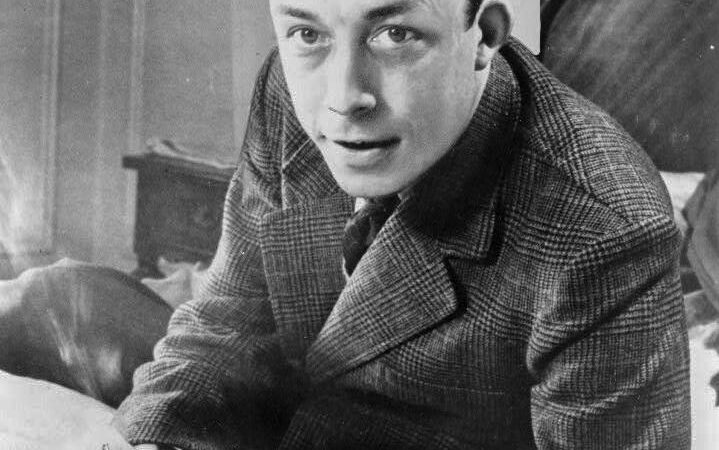
The Stranger opens with one of the most famous first lines in twentieth-century fiction — “Maman died today. Or maybe yesterday, I don’t know” — and everything about its narrator, Meursault, follows from that flat, unbothered tone. It’s a short novel, and a genuinely strange one: a murder happens almost by accident, and the trial that follows convicts the narrator less for the killing than for the wrong kind of grief. This page covers who Camus was, what happens in the book, and the real place and later criticism behind it.
Who Was Albert Camus?
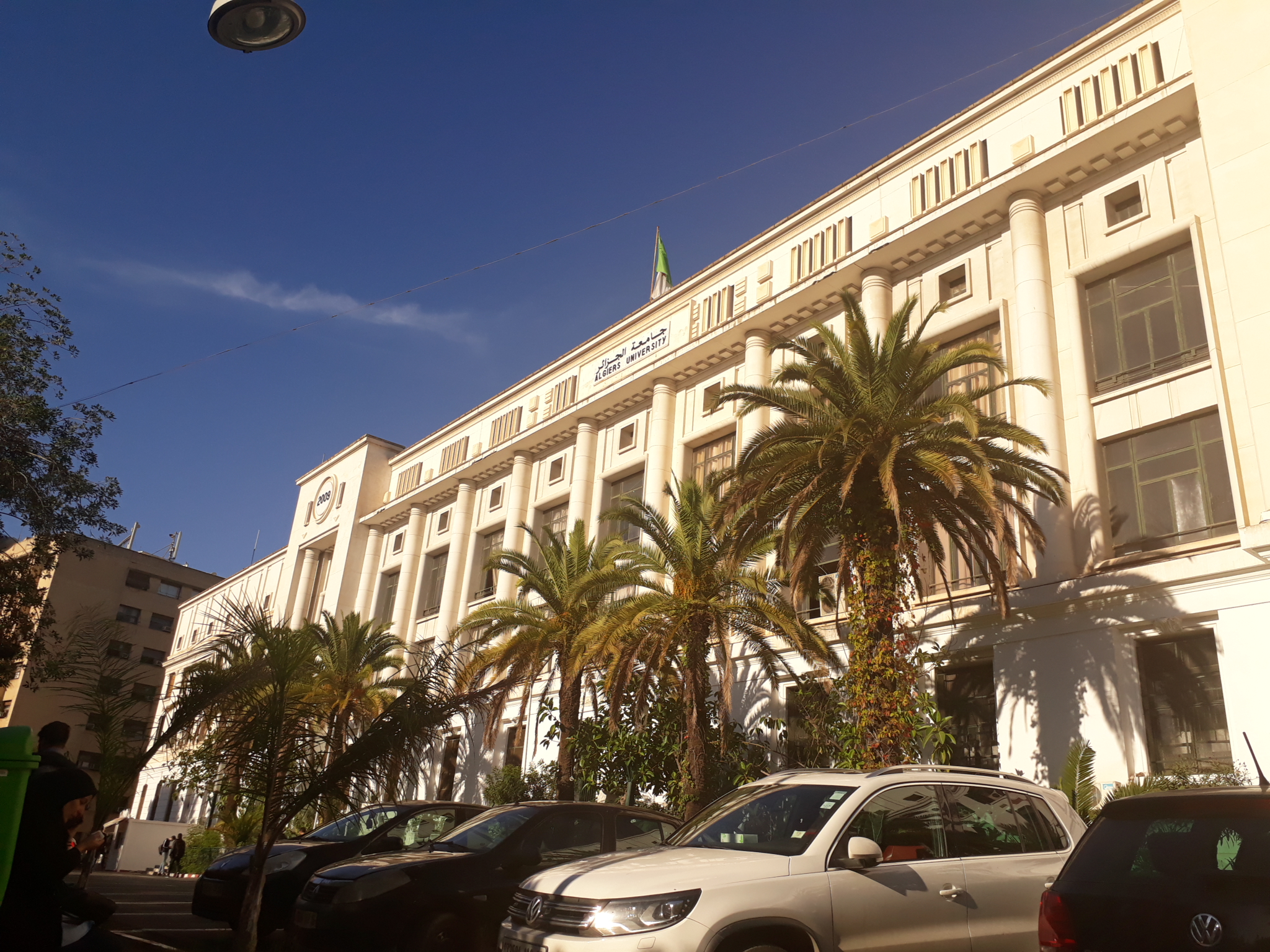
Camus was born in 1913 in French Algeria, to a poor family — his father died in the First World War before Camus turned one, and he was raised by his mother and grandmother in a household with no books and, by his own account, very little money. He studied philosophy at the University of Algiers, worked as a journalist, and was active in the French Resistance during the Second World War, editing the underground newspaper Combat.
The Stranger and his philosophical essay The Myth of Sisyphus were published within months of each other in 1942, and were meant to be read together. He won the Nobel Prize in Literature in 1957, at forty-four one of the youngest laureates ever, and died three years later in a car accident, at forty-six, with an unused train ticket reportedly still in his pocket. He’s buried under a plain stone in Lourmarin, the small village in the south of France where he’d bought a house not long before he died, marked with nothing but his name and dates.
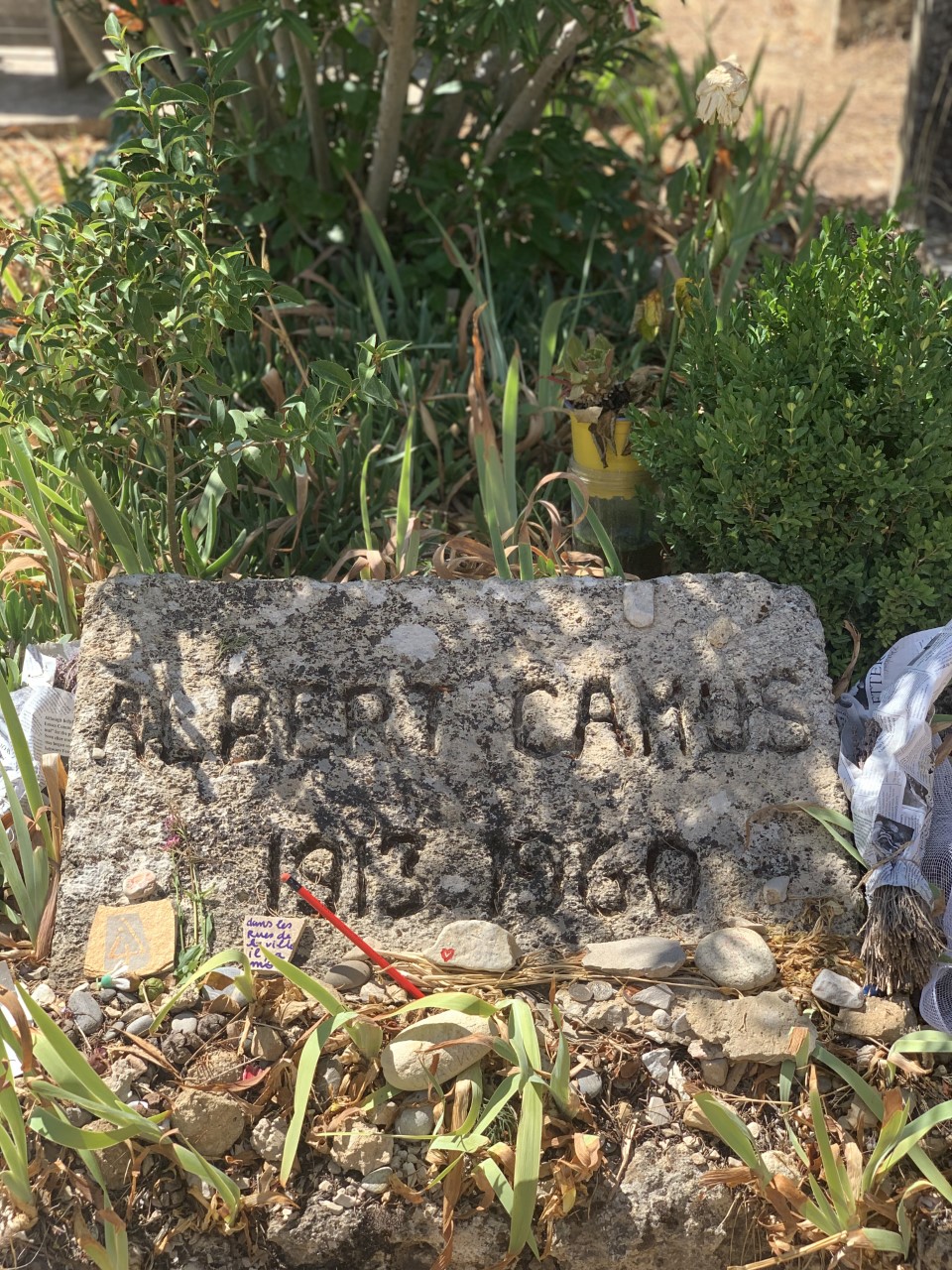
It’s a quiet ending for a writer who spent his career refusing quiet, easy answers. Decades earlier, that refusal started to take shape a few hundred miles south, at the university where he first studied the philosophy he’d spend the rest of his life arguing with.
What Happens in “The Stranger”
The novel splits cleanly in two. Part One follows Meursault through his mother’s funeral, which he attends without visible grief, into an affair with a woman named Marie, and toward a hot, aimless day at a beach near Algiers with an acquaintance, Raymond. There, in the glare of the sun and provoked by almost nothing, Meursault shoots and kills an unnamed Arab man. He fires once, then, after a pause the novel never really explains, fires four more times into the body.
Part Two is the trial. The prosecution spends less time on the killing itself than on Meursault’s failure to cry at his mother’s funeral, using his emotional flatness as proof of a monstrous character capable of premeditated murder. He’s sentenced to death. In his final days he refuses the prison chaplain’s offer of religious comfort, erupts in the book’s one moment of real passion, and arrives, in the novel’s last pages, at something like peace with a universe that owes him no explanation.
The Absurd, Not Existentialism
The Stranger gets filed under existentialism constantly, and Camus spent a good part of his career objecting to that. His own term was the absurd: the collision between a human mind that wants the world to make sense and a universe that simply doesn’t answer. The Myth of Sisyphus, published the same year, opens by calling suicide the one truly serious philosophical question, then spends the rest of the book arguing for something closer to defiant acceptance — living fully inside a world without guaranteed meaning, rather than either despairing over it or inventing a religious or philosophical system to paper over it.
Meursault is that argument given a body. He doesn’t perform grief he doesn’t feel, doesn’t reach for the comfort the chaplain offers, and doesn’t pretend the killing meant more than the accident of heat, light, and a knife glinting in another man’s hand. The court can’t process a man who simply won’t lie about his own indifference, and executes him for it as much as for the murder.
The Real Algeria Behind the Novel
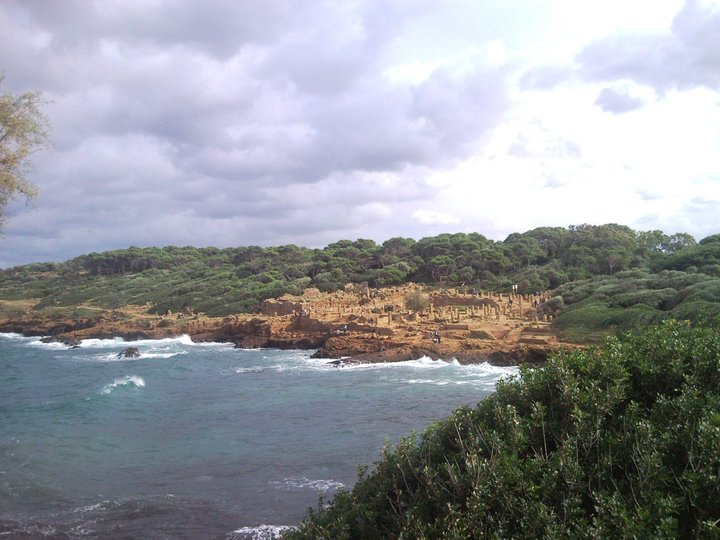
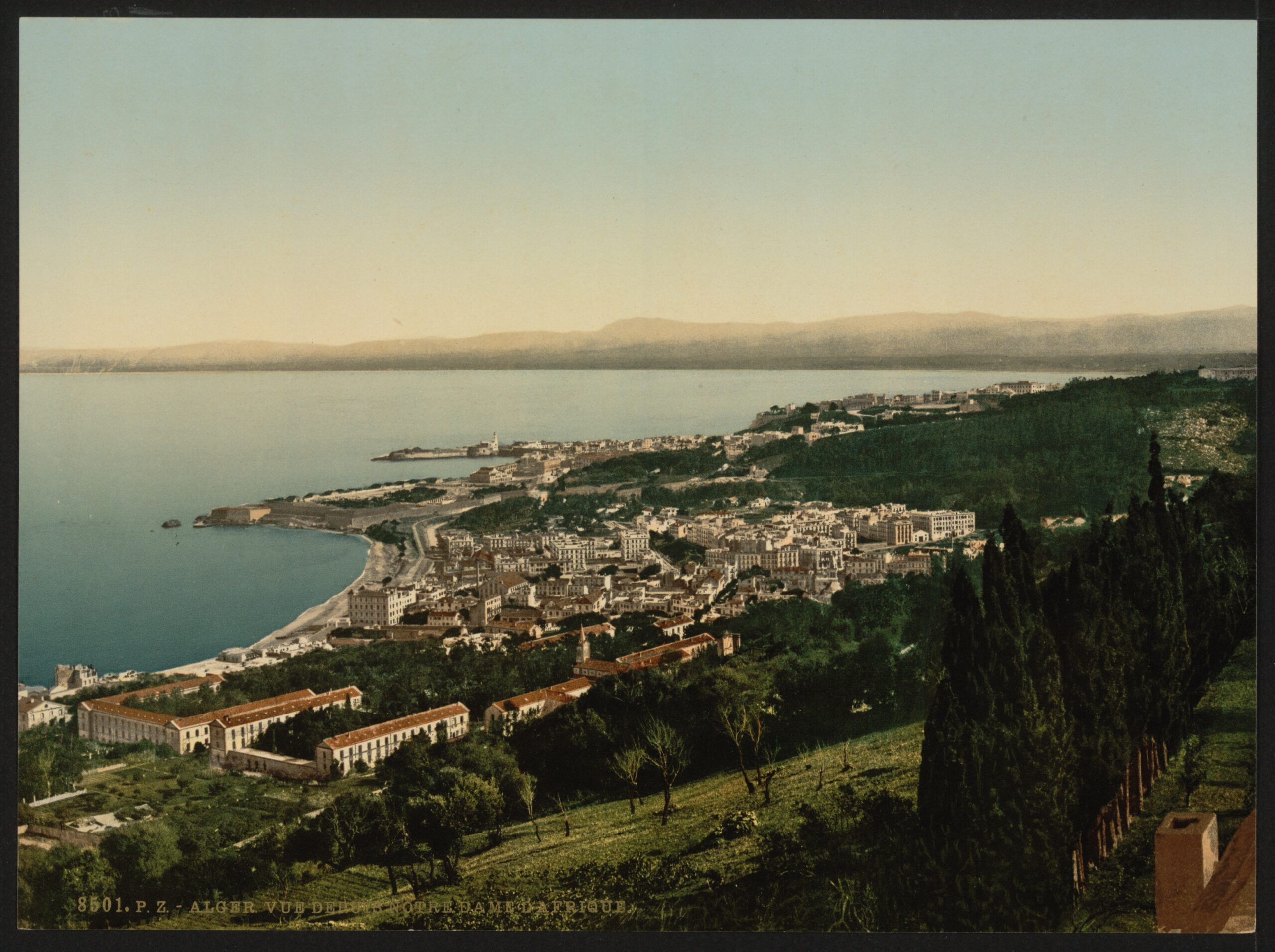
Camus set the novel in the French Algeria he grew up in, and the Mediterranean light and heat that run through the book — the same light and heat he wrote about directly in essays like “Nuptials at Tipasa” — are drawn from a real, specific place, not an invented backdrop.
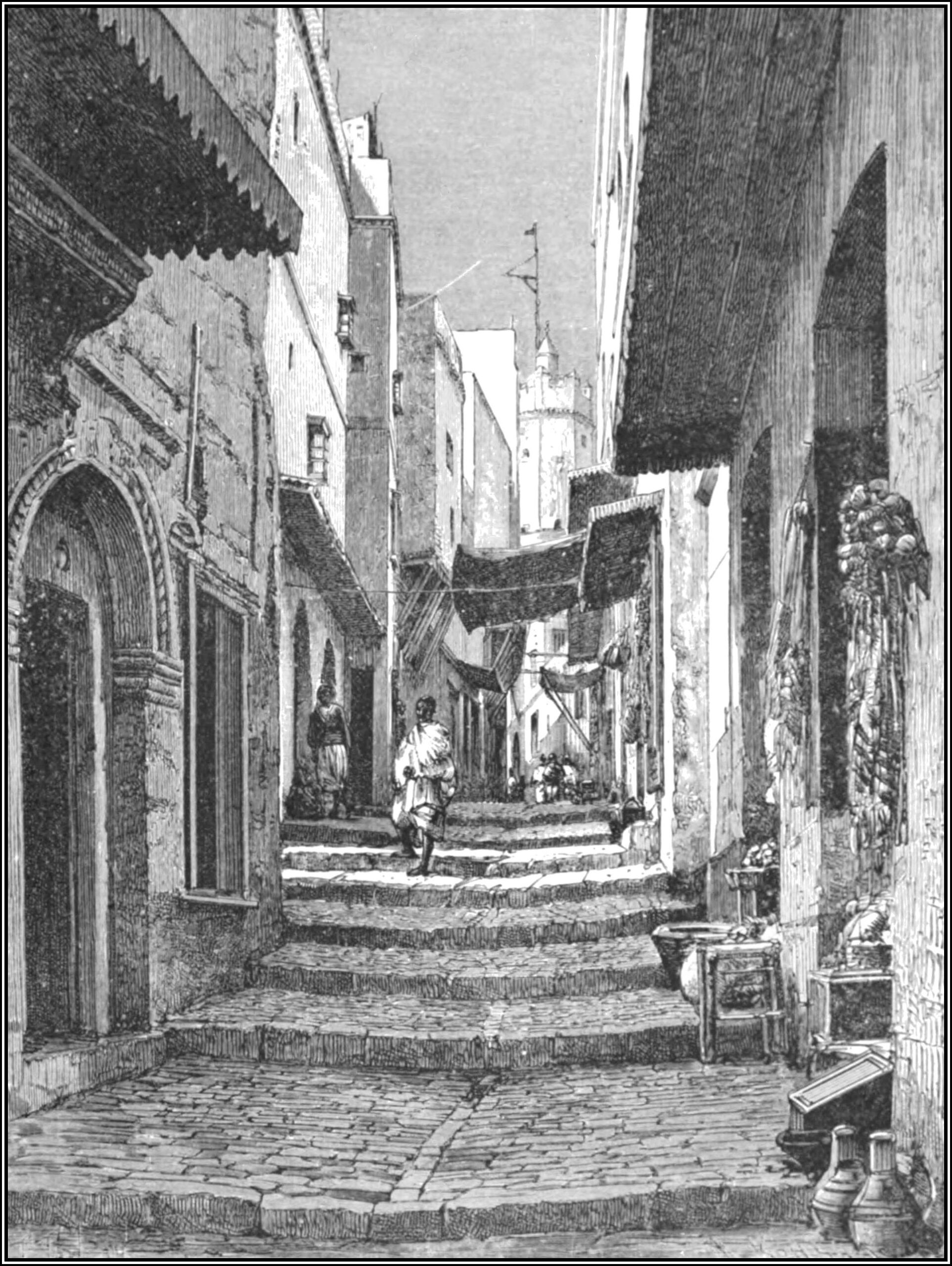
That same setting is also the novel’s most criticized feature. The man Meursault kills is never named — he’s “the Arab” throughout, with no family, no interior life, no voice at his own killer’s trial. In 2013, the Algerian writer Kamel Daoud published The Meursault Investigation, a novel narrated by the dead man’s brother that gives him a name, Musa, and turns Camus’s story inside out from the other side of the beach. It’s become one of the most direct and serious literary responses The Stranger has ever received, and it’s worth reading alongside the original rather than instead of it. Daoud has been careful not to frame his novel as a correction so much as a second half of a conversation Camus never got to finish — the same beach, the same killing, told from the side of it Camus’s narrator never once had to consider.
Why It’s Worth Reading
The Stranger is short enough to read in an afternoon and dense enough to argue about for years, which is a rare combination. It sits naturally on the stories shelf here beside Joyce’s Ulysses — two very different novels, both built around characters whose inner logic the world around them refuses to accept on its own terms. If Camus’s idea of the absurd interests you, it’s also worth reading against the philosophy shelf’s note on Sartre, the thinker Camus is most often, and least accurately, lumped in with.
Frequently Asked Questions
What is “The Stranger” about?
It follows Meursault, a French Algerian clerk who shows no grief at his mother’s funeral, kills a man on a beach almost without reason, and is tried and sentenced to death largely for his emotional detachment rather than the killing itself.
Is “The Stranger” existentialist?
Camus rejected the existentialist label. His philosophy is usually called the absurd — the tension between the human need for meaning and a universe that offers none — and is laid out directly in his essay The Myth of Sisyphus, published the same year as the novel.
Why is the man Meursault kills never named?
The victim is referred to only as “the Arab” throughout the novel, a choice later, sharply criticized. Algerian writer Kamel Daoud responded directly in his 2013 novel The Meursault Investigation, which names him Musa and retells the story from his brother’s perspective.
Who was Albert Camus?
Camus (1913-1960) was a French Algerian writer and philosopher, active in the French Resistance, who won the Nobel Prize in Literature in 1957 and died in a car accident three years later.
Should I read The Myth of Sisyphus before or after The Stranger?
Either order works. The two were written and published together in 1942 as companion pieces, one fiction and one essay, both working out the same idea of the absurd.
For more on the person keeping this shelf, read about me, or explore the rest of the stories collection.