
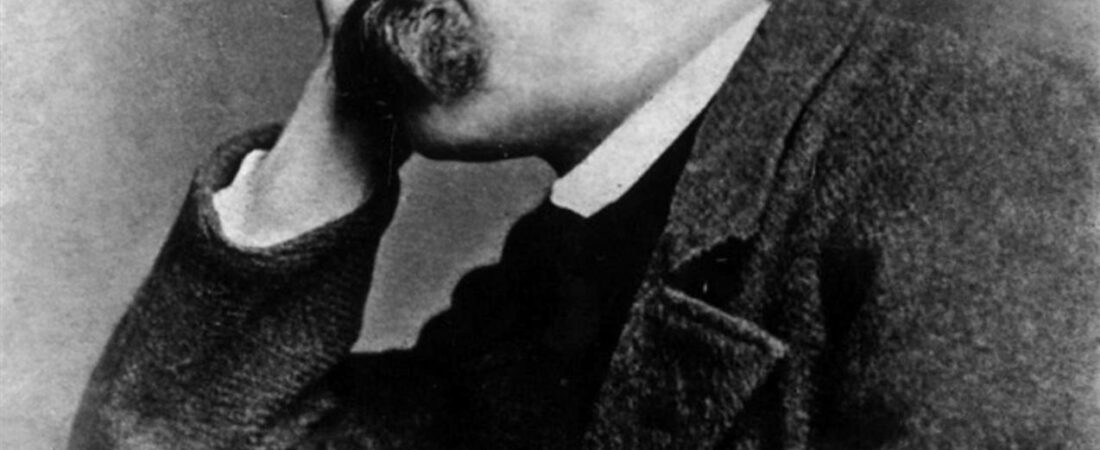
Nietzsche wrote Beyond Good and Evil in 1885 and 1886, and paid to have it printed himself because no publisher wanted it. It’s one of his clearest statements of what he actually thought traditional morality was doing to people, and it’s also one of the books later twisted furthest from what he meant. This page covers who he was when he wrote it, what it argues, and how it got dragged into a legacy he never asked for.
Who Nietzsche Was When He Wrote This
Nietzsche became a professor of classical philology at the University of Basel at twenty-four, the youngest in the position’s history, and resigned a decade later in 1879 because his health — migraines, near-blindness, digestive collapse — had made teaching impossible. For the next ten years he lived as an independent writer with no fixed address, moving seasonally between Swiss mountain villages, the Italian coast, and the south of France, writing in short bursts between bouts of illness.
Beyond Good and Evil, subtitled Prelude to a Philosophy of the Future, was written in that itinerant period as a follow-up to Thus Spoke Zarathustra, laying out in direct prose what the earlier book had said through parable and verse.

The Wagner Years, and the Break
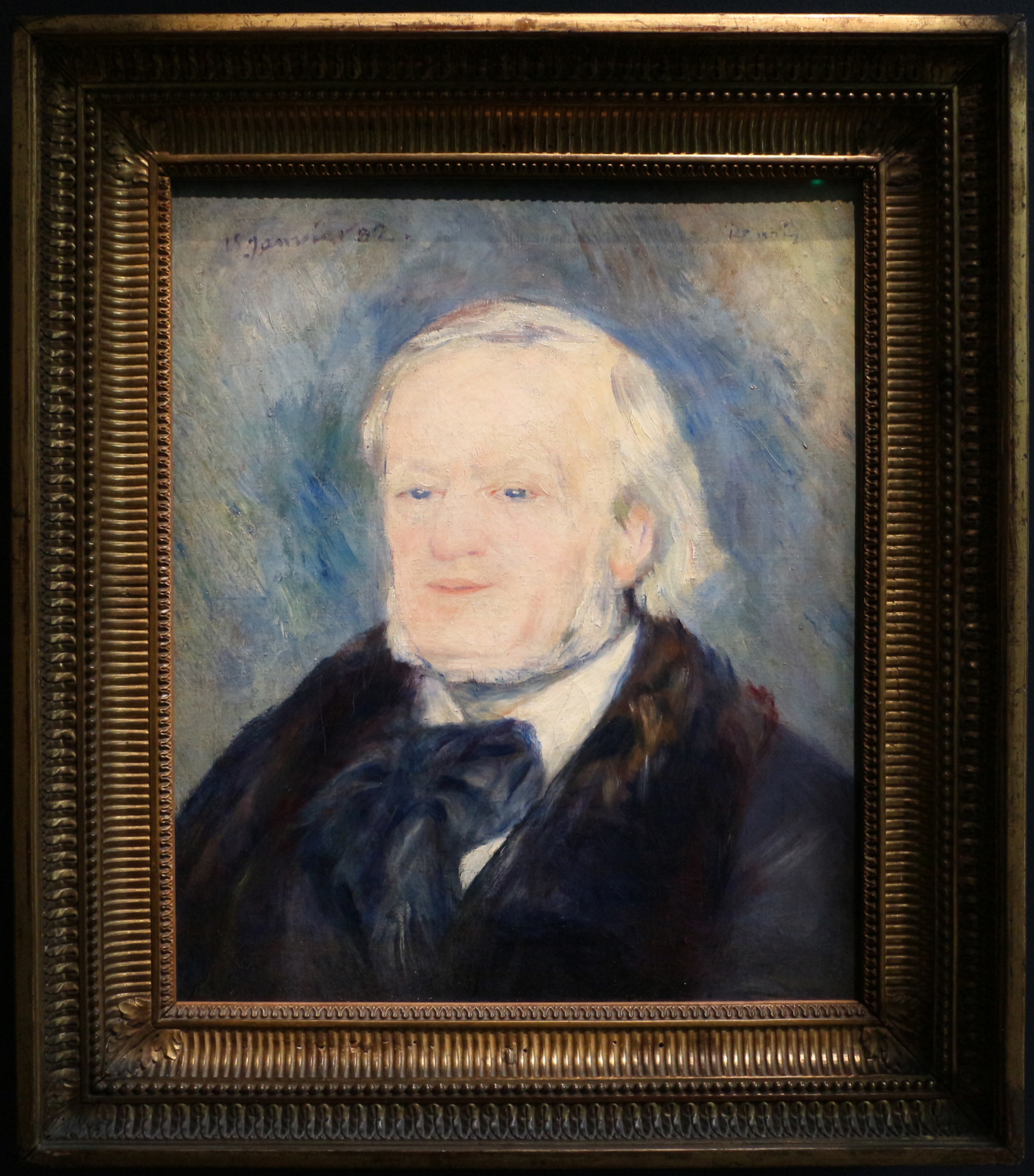
In his twenties, Nietzsche was closely attached to the composer Richard Wagner, whom he saw as living proof that art could still create real cultural greatness in the modern world. The friendship soured over the following decade, as Wagner’s work turned toward Christian redemption themes Nietzsche found dishonest, and as antisemitic currents in Wagner’s circle became harder for Nietzsche to ignore. By the time he wrote Beyond Good and Evil, the break was complete, and the book’s attacks on Christianity as a morality built for the weak to control the strong read, in part, as a settling of accounts with what Wagner had become.
What the Book Actually Argues
Nietzsche’s starting claim is that philosophers have always pretended to pursue truth impartially while actually smuggling in their own moral preferences and calling the result objective reason. He wants philosophy done honestly instead: examined as an expression of a particular kind of person, a particular kind of will, rather than a neutral search for facts that exist independent of anyone wanting anything.
From there he builds his most famous distinction, between what he calls master morality and slave morality. Master morality calls something good because it’s strong, noble, or life-affirming; slave morality, which he traces to Christianity, calls something good because it’s useful to the weak in resisting the strong — humility, pity, and self-denial recast as virtues by people who had no power to be anything else. The book’s title points past both: an invitation to judge ideas by what they make possible, rather than sorting them into inherited categories of good and evil that Nietzsche thought had outlived their honesty.
The Lou Salomé Episode
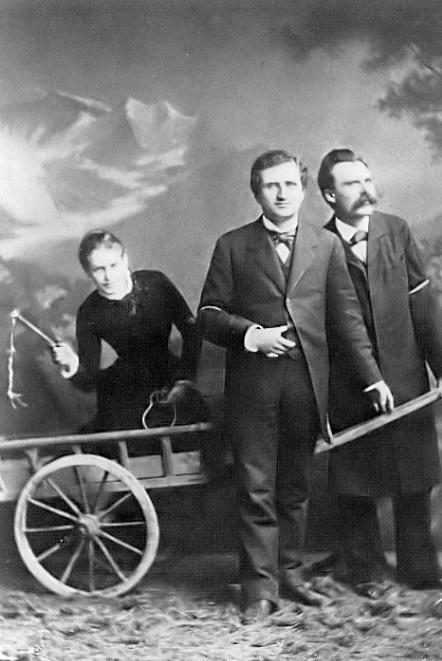
In 1882, three years before writing this book, Nietzsche proposed marriage to Lou Salomé, a young Russian intellectual, and was turned down. The three of them — Nietzsche, Salomé, and his friend Paul Rée — posed for a staged photograph that year, Nietzsche and Rée harnessed to a small cart like draft horses while Salomé stands over them holding a whip. It’s one of the strangest surviving images of any philosopher, and it captures a friendship that collapsed into bitterness within months.
The rejection is often raised alongside Beyond Good and Evil’s scattered, sharply dismissive remarks about women, which are among the most criticized passages in the book today, and which most serious readers now treat as a real weakness in the text rather than something to explain away.
Where He Wrote It: Sils-Maria
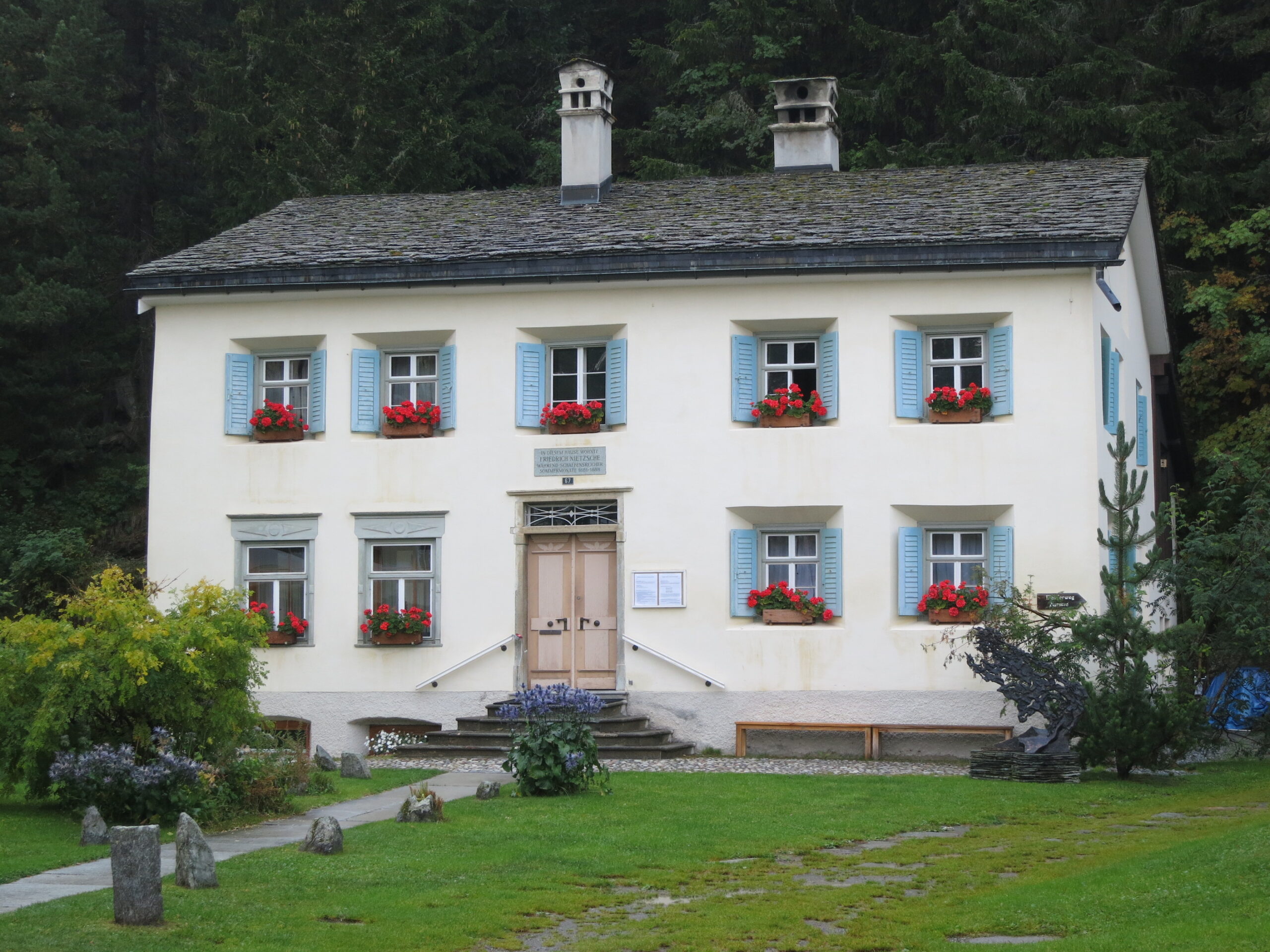
Nietzsche spent his summers from 1881 to 1888 in Sils-Maria, a small village high in the Swiss Engadin valley, walking for hours along the lake each day and writing in short aphoristic bursts he said came to him mid-stride rather than at a desk. The house where he rented a room, now preserved as the Nietzsche-Haus, still stands with a plaque marking the years he stayed there. Beyond Good and Evil’s style — numbered sections, compressed and often provocative one-line judgments — owes a lot to that walking, thinking-in-fragments habit.
The Book’s Troubled Legacy
Nietzsche suffered a complete mental collapse in Turin in January 1889 and never recovered, dying in 1900 without having controlled how his work was handled in the years after. That job fell to his sister, Elisabeth Förster-Nietzsche, who took over his literary estate, edited his unpublished notes into a book she titled The Will to Power and presented as his crowning system, and later aligned the Nietzsche archive with German nationalist and antisemitic movements her brother had explicitly despised in books like this one.
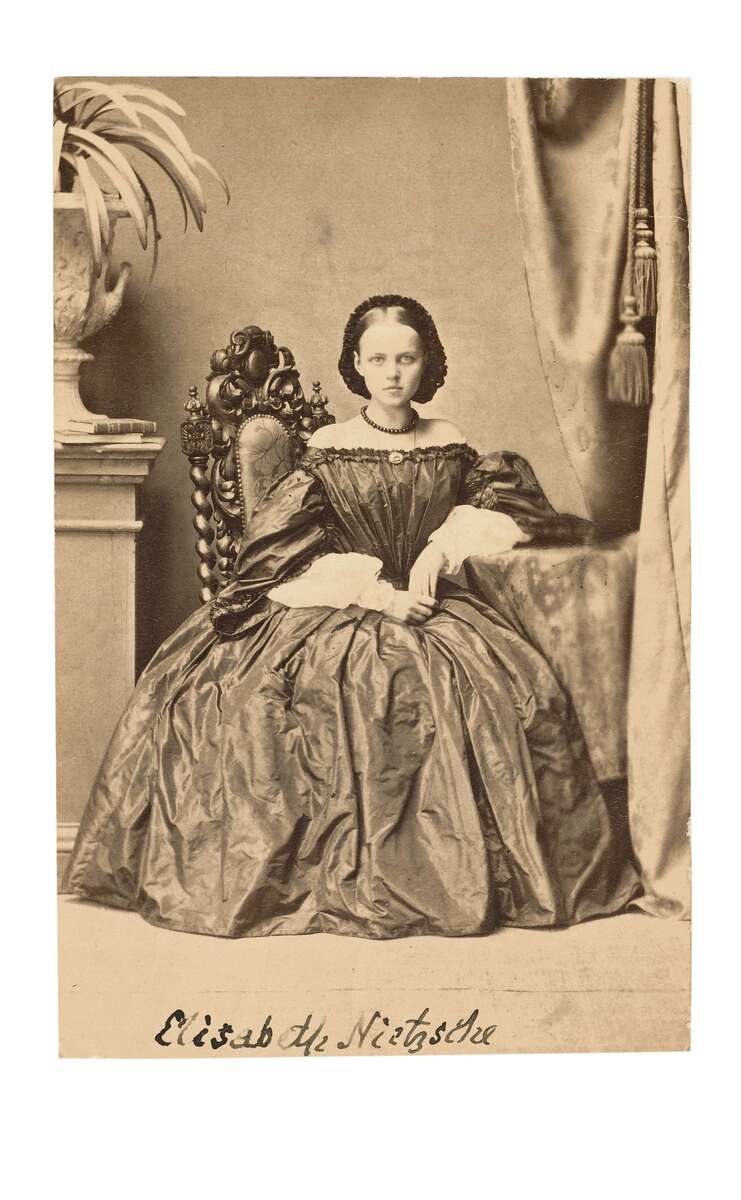
Decades of later scholarship have worked to separate what Nietzsche actually wrote and published himself — including Beyond Good and Evil, which he saw through print in his own lifetime and stood behind — from what his sister assembled and promoted after he could no longer object. Reading the book itself, rather than secondhand summaries shaped by that later history, is still the most reliable way through the confusion.
Why It Still Matters
What makes Beyond Good and Evil worth reading now isn’t any specific conclusion so much as the habit it models: asking what a moral judgment is actually doing, and for whom, before accepting it as simply true. That question sits comfortably on the philosophy shelf here alongside thinkers who built rather than dismantled — Hegel’s Science of Logic is the more patient, systematic version of the same restlessness, and Marx’s Poverty of Philosophy turns a similar suspicion of inherited categories toward economics instead of morality.
Read the Full Text
The complete text of Beyond Good and Evil is available to download below, or return to the full philosophy shelf for Hegel and Marx.
Frequently Asked Questions
What is “Beyond Good and Evil” about?
It’s Friedrich Nietzsche’s 1886 book arguing that traditional philosophy and Christian morality disguise particular value judgments as universal truths, and proposing that ideas be judged by what they make possible rather than by inherited categories of good and evil.
What is “master morality” and “slave morality”?
Master morality calls something good because it is strong or life-affirming. Slave morality, which Nietzsche traces to Christianity, calls something good because it serves the interests of the weak against the strong — recasting traits like humility and self-denial as virtues.
Why did Nietzsche and Wagner fall out?
Nietzsche admired Wagner in his twenties but broke with him over Wagner’s turn toward Christian redemption themes and antisemitic currents in his circle, both of which Nietzsche saw as dishonest and beneath the art he once admired.
Did Nietzsche’s sister distort his work?
After Nietzsche’s 1889 collapse, his sister Elisabeth Förster-Nietzsche controlled his literary estate, assembled his notes into The Will to Power, and later aligned his archive with nationalist movements he had rejected. His own published books, including this one, are considered more reliable sources for his actual views.
Where did Nietzsche write “Beyond Good and Evil”?
He wrote much of it in Sils-Maria, a village in the Swiss Engadin valley where he spent his summers from 1881 to 1888, walking for hours each day.
For more on the person keeping this shelf, read about me, or explore the rest of the philosophy collection.