

“East Coker” is the second of Eliot’s Four Quartets, and the strangest thing about it is that it’s named after a real place he had almost no right to feel this attached to. His family had left the village three hundred years before he wrote a word about it. This page walks through the poem section by section, the family history behind it, and why Eliot ended up back there for good.
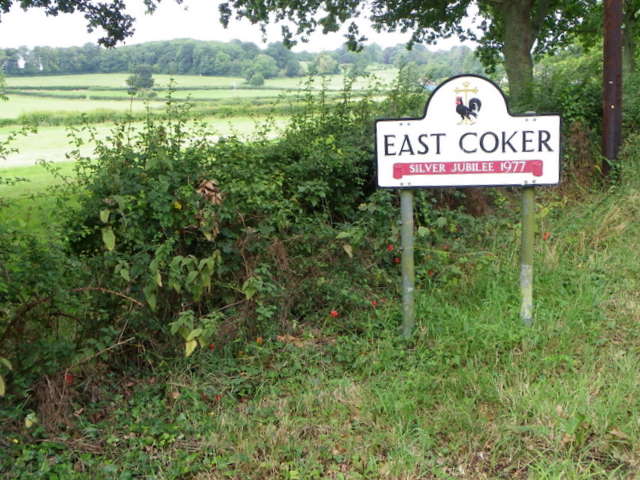
What Is “East Coker”?
“East Coker” is the second of the four long poems that make up Eliot’s Four Quartets, following “Burnt Norton” and preceding “The Dry Salvages” and “Little Gidding.” Eliot wrote it in 1940, as England was entering the Second World War, and published it first on its own in the New English Weekly before it was collected with the other three quartets in 1943. Each quartet is named for a place, and each is built in five numbered sections that move between concrete memory and abstract meditation — on time, on aging, on what a life of words is actually for.
Eliot’s Family and the Village
Eliot was American, born in St. Louis, Missouri, but his family’s roots ran back to East Coker specifically: his ancestor Andrew Elyot emigrated from the village to Massachusetts in the 1660s. Eliot visited East Coker in 1937, more than a decade after he had settled permanently in England and taken British citizenship, and the visit to this small, particular place his family had left three centuries earlier became the seed of the poem.
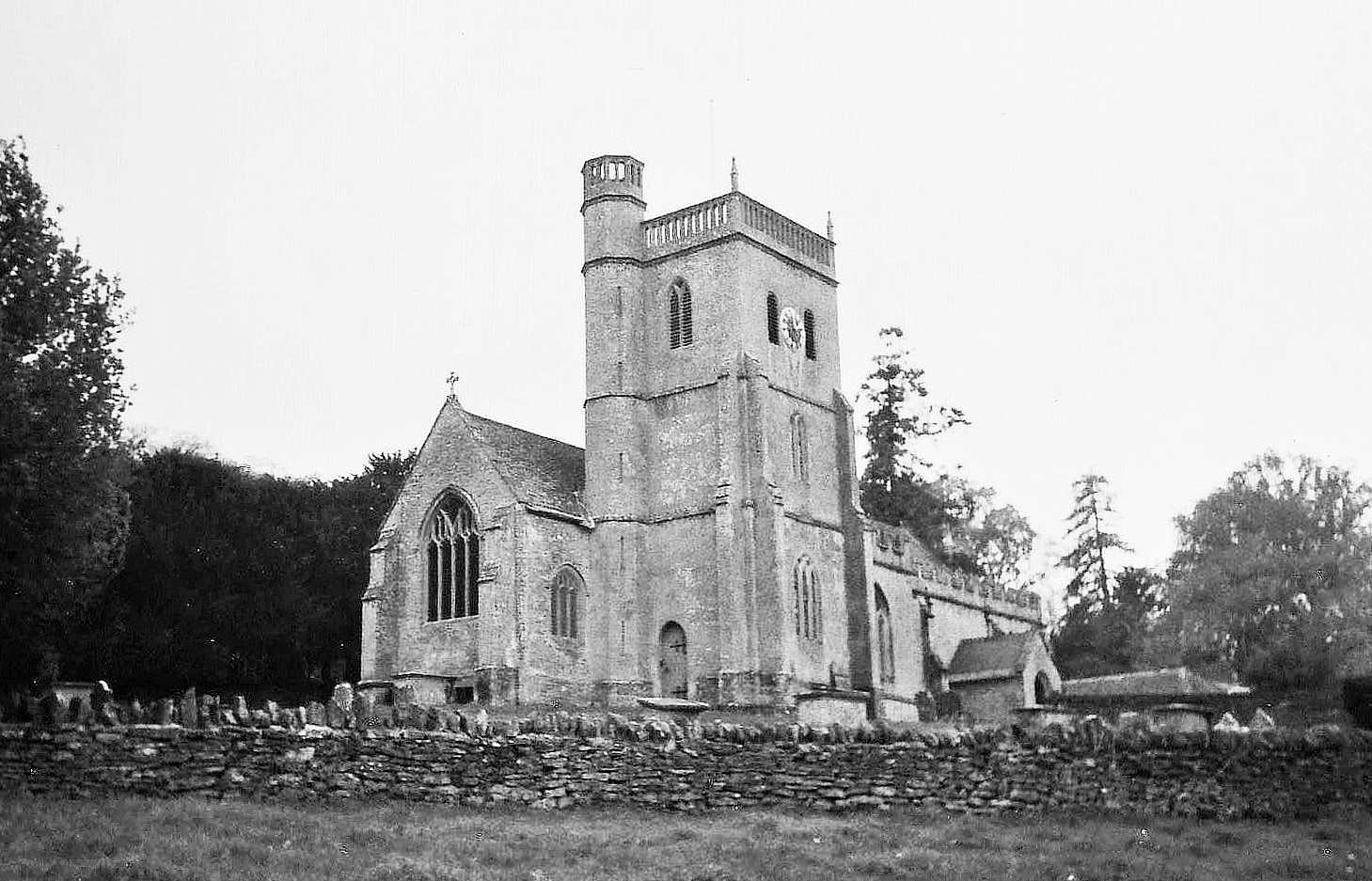
The connection didn’t end with the poem. When Eliot died in London in 1965, his ashes were brought to East Coker and interred at St Michael’s Church, the parish church his family had once belonged to. His widow, Valerie Eliot, arranged a memorial plaque there quoting the poem’s closing line — a rare case of a writer’s actual grave completing a line he had written more than two decades earlier, before either of them could have known it would end up marking his own resting place.
Reading “East Coker”: The Five Sections
Section I opens with the poem’s most quoted line, “In my beginning is my end,” and grounds it immediately in the physical fact of houses rising and falling, being built and burned and rebuilt on the same ground. Eliot pictures villagers of an earlier century dancing around a bonfire on a summer night — an image he took directly from a 16th-century book by his own ancestor, Sir Thomas Elyot, on courtly dancing as a symbol of marriage. It’s one of the few moments in the Four Quartets where Eliot lets a scene simply be watched, rather than immediately turned into an argument. The section ends at dawn, with the speaker unable to say exactly where he is: “I am here / Or there, or elsewhere.”
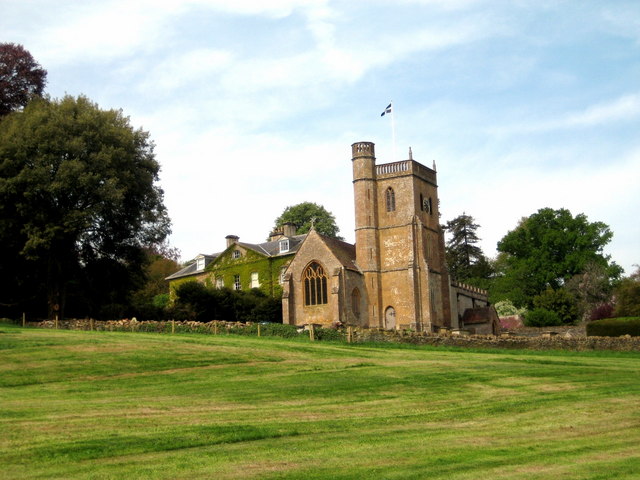
Coker Court, the manor house that still stands beside the church, is one of the buildings that could plausibly sit behind Eliot’s line about houses that “rise and fall, crumble, are extended” — not because he named it directly, but because it’s exactly the kind of long-inhabited building East Coker is full of, standing on ground that has held a house in some form for centuries.
Section II opens with a disordered, out-of-season landscape — late November acting like spring — before Eliot turns on himself and dismisses the whole passage as a bad habit, “a periphrastic study in a worn-out poetical fashion.” What he wants instead is a harder, plainer honesty: “the only wisdom we can hope to acquire / Is the wisdom of humility.” Old age, he argues, doesn’t hand you wisdom for free; mostly it hands you fear, and the fear is the more honest thing to write down.
Section III is the darkest stretch of the poem — “O dark dark dark. They all go into the dark” — and it’s where Eliot writes the lines that come closest to instruction: “I said to my soul, be still, and wait without hope / For hope would be hope for the wrong thing.” It’s not despair exactly. It’s a demand that faith and hope be stripped of whatever they were expecting to get in return.
Section IV is the poem’s most formally strange turn: a tightly rhymed, almost liturgical short lyric built around the image of a “wounded surgeon” — Christ, read through Good Friday — whose cutting is itself the cure. It’s dense, deliberately archaic, and reads more like a hymn dropped into the middle of a modern poem than a continuation of what came before it.
Section V turns to the one subject Eliot had been circling the whole time without naming it: the difficulty of writing at all. “So here I am, in the middle way, having had twenty years — / Twenty years largely wasted,” he writes, and every attempt at a poem is “a different kind of failure.” The poem closes by inverting its own opening line — “In my end is my beginning” — turning a statement about mortality into one about starting over.
Why “East Coker” Still Resonates
What makes “East Coker” hold up isn’t the war it was written during, which barely surfaces in the text. It’s that Eliot uses one small, specific, mostly unremarkable village to ask a much larger question: whether a life spoken toward the past — toward ancestors, old houses, old books — can also count as speaking toward the future. It’s the same wager behind keeping a philosophy shelf at all: that the old arguments, read closely enough, still have somewhere new to go. If you want to see the same instinct pushed toward system-building rather than lyric, Hegel’s Science of Logic is the place to go next; if you’d rather stay with poets working close to the edge of what language can hold, Lorca’s selected poems are a natural companion.
Read the Full Text
The complete text of “East Coker” is available to download below, or return to the full poetry collection for Rimbaud, Lorca and the Epic of Gilgamesh.
Frequently Asked Questions
What is “East Coker” about?
“East Coker” is the second of T.S. Eliot’s Four Quartets, using the Somerset village his family emigrated from in the 1660s to meditate on time, aging, faith, and the difficulty of writing. It moves through five sections from the physical village to abstract reflection and back.
Why did Eliot write about East Coker specifically?
Eliot’s ancestor Andrew Elyot left East Coker for Massachusetts in the 1660s. Eliot visited the village in 1937, and the visit to a place his family had left three centuries earlier became the basis for the poem.
Is T.S. Eliot buried in East Coker?
Eliot’s ashes are interred at St Michael’s Church in East Coker, the parish his family once belonged to. A memorial plaque there quotes the poem’s closing line, “In my end is my beginning.”
What does “In my beginning is my end” mean?
It’s the poem’s opening line, inverted to close the poem: “In my end is my beginning.” Together they frame the poem as a cycle rather than a straight line — birth folding into death, and death back into renewal.
Where does “East Coker” fit in the Four Quartets?
It’s the second of four: “Burnt Norton,” “East Coker,” “The Dry Salvages,” and “Little Gidding,” each named for a real place and each exploring time and memory from a different angle.
For more on the person keeping this shelf, read about me, or explore the rest of the poetry collection.